

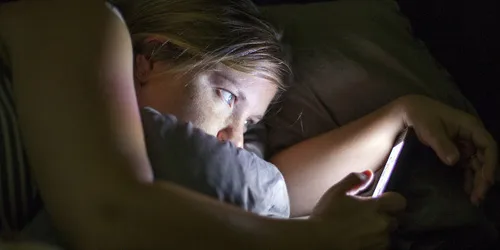
Scrolling through your phone before sleep while it charges beside you has become a common bedtime routine. But experts say the habit can pose unnecessary safety, health and sleep-related risks.
From fire hazards to disrupted sleep, keeping a charging phone in bed is a practice worth avoiding. Here are six reasons, based on a report by Do It Yourselves cited by Al Arabiya Business.
-
Fire Risk
Charging a phone on a bed, pillow or other soft surface can cause heat to build up because these materials restrict ventilation. In some cases, overheating can increase the risk of bedding catching fire.

The U.S. National Fire Protection Association advises against charging electronic devices on soft, flammable surfaces. Instead, place the phone on a hard, flat surface or a bedside charging dock where heat can dissipate more effectively.
-
Poorer Sleep
Keeping a charging phone within reach often encourages late-night scrolling or checking notifications, reducing both sleep duration and quality.
Screen exposure before bed also increases exposure to blue light, which can suppress melatonin—the hormone that regulates the body’s sleep cycle—making it more difficult to fall asleep.
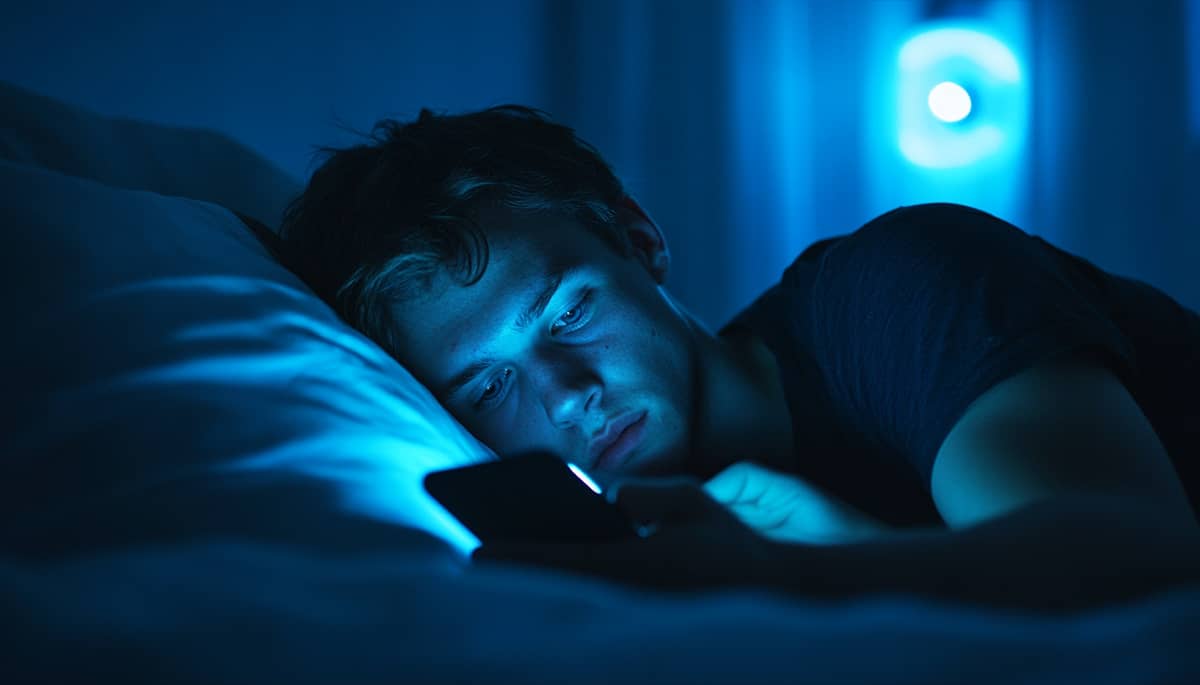
Limiting phone use before bedtime, enabling Do Not Disturb mode and using a traditional alarm clock instead of a smartphone can help improve sleep.
-
Electromagnetic Field Exposure
The long-term health effects of electromagnetic fields (EMFs) emitted by mobile phones remain under scientific study, and no consensus has established that typical phone use causes harm. However, some experts recommend minimizing unnecessary exposure as a precaution.
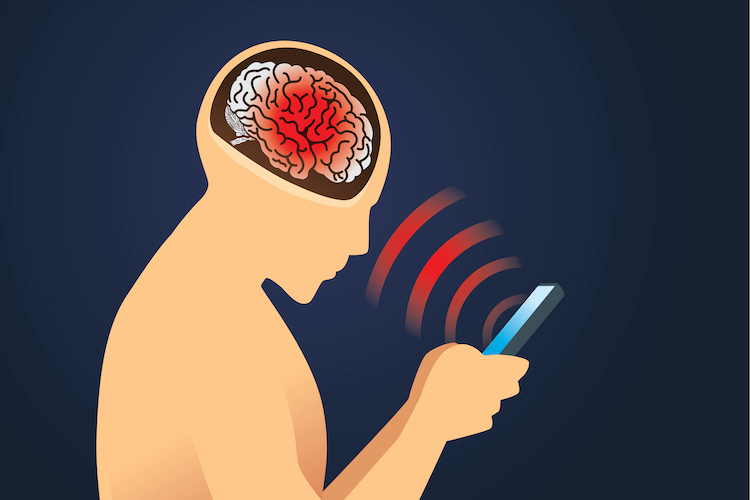
Keeping a charging phone farther from the bed reduces EMF exposure, which decreases with distance. Charging the device elsewhere in the room is a simple way to avoid prolonged close-range exposure while sleeping.
-
Battery Life
Charging a phone overnight may contribute to gradual battery wear over time. Although modern smartphones stop actively charging once they reach full capacity, remaining connected to power for extended periods can still affect long-term battery health.

Many manufacturers recommend avoiding frequent full discharges and prolonged periods at 100% charge. Charging during the day also makes it easier to unplug the device once it reaches an appropriate level.
-
Mental Well-Being
A phone within easy reach can make it harder to disconnect from work, social media and the news before bed, potentially increasing stress and making it more difficult to unwind.

Creating a phone-free bedroom or setting a nightly cutoff for screen use can encourage healthier digital habits and support better sleep. Some people also opt for standalone or sunrise alarm clocks to avoid relying on their phones overnight.
-
Comfort and Safety
Charging cables on or around the bed can become tangled and may pose a safety risk, particularly for children or restless sleepers. Sleeping on a phone or charger can also cause discomfort.
Keeping electronic devices and charging cables off the bed creates a safer sleeping environment and may also reduce prolonged phone use in awkward positions that contribute to neck and back strain.

If a phone needs to remain nearby for emergencies, placing it on a bedside table or wireless charging stand is generally a safer alternative than keeping it in the bed.
Related Topics :
How to Cope With Extremely Hot Weather?
Here’s a Secret… 6 Plant Foods for Better Muscle Growth
Simple Tips to Have a Restful Sleep during Hot Weather


