

By: Ranim Elgabakhngi
One of the things that shocked the world in a very short time was the very fact that AI was able to open up so many avenues to everybody, seemingly overnight. Tools that used to necessitate a tightly-knit team of specialists are now within the reach of a person with a laptop or a smartphone. This speed and convenience factor deliver real benefits; however, they also bring along a pack of real dangers, especially when people decide to do evil instead of good.
The very same machines that can draft an essay or retouch pictures are capable of generating sexual abuse material, faking evidence, fabricating stories that destroy people’s lives, humiliating people publicly, producing violent content, and perpetrating children or animals with hate. These are not rare cases. The incidents happen on a regular basis, mainly because it is very easy to commit them and the consequences are serious.
Deepfakes
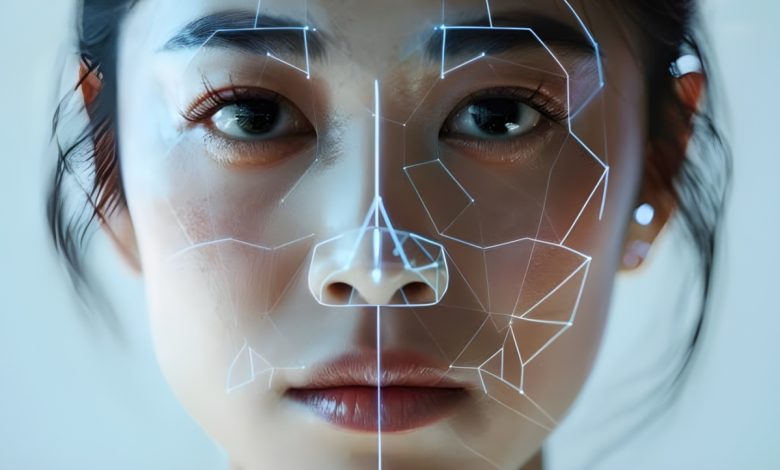
Pretty much in a scary way, deepfake technology is able to exchange faces and voices. With only a few seconds of an authentic video or audio, anyone’s face can be put on an explicit adult content without giving any kind of permission.
Women and teenage girls are the most targeted groups. Victims find that someone has made and distributed, without their consent, pornographic videos involving them at schools or workplaces. Men, however, are impacted in a different way as they are often implicated in fake fights or crimes.
These files, once they have been released, are being shared at a very high speed, and the removal process cannot keep up with it. There are situations from which people lose their jobs, their relationships come to an end, and some victims happen to take their own lives. Even when these files are deleted, the mental side of it being forever remains.
False Evidence
With the help of AI, the photography, videography, and audio recording can be so convincing that they appear to be the real ones. As a result, people use such technology to implicate others in crimes they have not committed. In the instances of courts and police reports, there have been productions of fake messages, security footage, and confessions.
Innocent men and women have been arrested because the fabricated evidence has tricked the investigators. A single fake image of a child or teenager can be enough to cause child-protection workers to show up at the wrong house. There have been animals that were caught in the crossfire, with the help of the edited videos that falsely show owners abusing pets to start the harassment campaigns.
Misinformation
Large language models are able to produce pretty much any type of writing that is believable such as news articles, social media posts, and even complete books but are full of fabricated information. In the period of elections and crises these machines with the control of malicious groups misinform the public at a large scale with falsified stories that are made for the purpose of infuriating certain groups.
However, on the other hand, personal attacks are the worst. For instance, someone who is upset with a neighbor, ex-partner, or classmate can create hundreds of fake posts in which the target is accused of racism, abuse, or something even worse. Girls, boys, and teenagers are the ones who receive the harshest versions when among classmates using AI to disseminate rumors that result in bullying and self-harm.
Public Humiliation
One of the progressively popular ways AI is misused is by people to remove the clothing of pictures or to create gory and torture images of real people. Children in schools do it to their peers for fun. Exes for a revenge purpose. The outcomes are shared in group chats, on anonymous boards, and sometimes on mainstream platforms before the moderators notice.
Victims are from adult celebrities to common twelve-year-olds. The pictures are not real but the shame is very real. Some targets quit school or take a break from the public life. When animals are included in these images the outrage increases but the damage to the falsely accused owner is still significant.
The source of the problem is not AI but the fact that it was unleashed in a very reckless way without strong regulations. In just a few minutes, any person is capable of making a piece of content that could ruin someone’s life and send it to millions. Existing laws and norms for platforms are not up to date with the technology and are still behind by a few years.
The harm will continue to be accumulating until the most dangerous usages of the technology are put behind bars and the victims are given legal protection in a snap. The right to create has to be weighed against the right not to be deliberately abused. At present, that equilibrium is absent and ordinary people suffer the consequences everyday.


