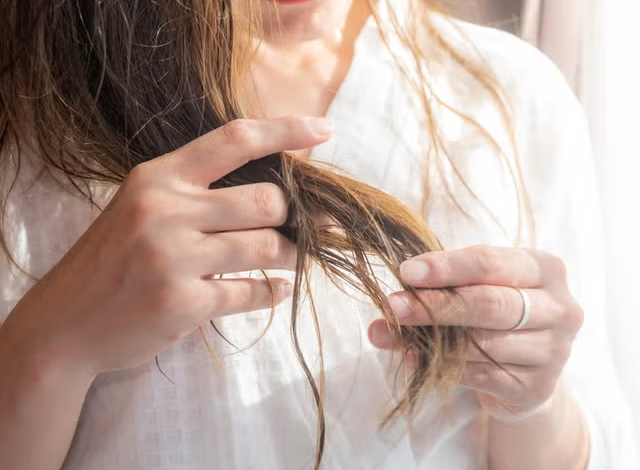
As winter arrives and temperatures fall, many people notice more hair shedding, whether while showering or brushing. Although this may sometimes be a temporary seasonal change, winter conditions—including lower humidity, changes in daily habits, and dietary shifts—can affect the health of the scalp and hair.
Increased hair shedding during winter may seem like a common myth, but experts say seasonal changes can trigger a natural and relatively common reaction.
Some hair loss during winter is normal. However, sudden or unexplained shedding should not be ignored. Understanding the possible causes can help people address the issue early and prevent longer-term damage or worsening hair loss.
Why Hair Loss May Increase
Winter hair shedding is often linked to environmental and lifestyle changes. Cold outdoor air and dry indoor heating reduce humidity, which can strip moisture from the scalp. This dryness may weaken the hair shaft, making it more vulnerable to breakage.

Vitamin D also plays a role in normal hair growth, while reduced exposure to sunlight during winter may affect vitamin D levels in some people. In addition, people may exercise less and drink less water during colder weather, which can negatively affect hair and scalp health.
Dry Scalp, Hot Water
A dry scalp is one of the main factors that can contribute to increased shedding during winter. Lower temperatures may reduce the scalp’s natural oil production, leading to itching, flaking, and weakened hair roots.
Hot showers can make the problem worse. Although hot water may feel comforting in cold weather, it can remove the scalp’s natural oils, leaving the hair dry, brittle, and more prone to breakage.

Washing the hair less frequently may also contribute to scalp problems by allowing oils, dirt, and dead skin cells to accumulate. This buildup can irritate the scalp and interfere with healthy hair growth.
Diet, Lifestyle Changes
Winter diets may contain more fried foods, sugar, and processed products, while consumption of fruits, vegetables, and protein may decline. A lack of important nutrients—including iron, protein, biotin, and healthy fats—can weaken the hair roots and contribute to shedding.
The hair-growth cycle may also be affected by seasonal stress, reduced physical activity, and irregular sleep patterns. Tight wool hats and scarves can add to the problem by trapping sweat, increasing friction, and irritating the scalp.

How to Reduce Winter Shedding
Hair grows in repeating cycles, and some seasonal shedding can be normal. Excessive hair loss, however, may indicate that the scalp and hair need additional care—or that an underlying issue requires professional assessment.
To protect the hair during winter:
- Keep the scalp clean and moisturized.
- Wash the hair with lukewarm rather than hot water.
- Use a suitable conditioner or light oil to help retain moisture.
- Avoid wearing tight hats for long periods.
- Maintain a balanced diet containing sufficient protein and essential nutrients.
- Drink enough water, even when you feel less thirsty.
- Limit stress and maintain a regular sleep routine.
- Use gentle hair-care products and avoid excessive heat styling.
:max_bytes(150000):strip_icc()/hairshedding-ca00906519034624801201c4bdc6ec01.png)
These measures can help reduce breakage and support healthier hair during winter. If shedding is sudden, severe, patchy, or continues for an extended period, consulting a dermatologist is advisable, as hair loss can have causes unrelated to the season.
Related Topics:
ICAIRE Opens Research Call for Global Forum on AI Ethics 2026
MWL Gathers Muslims, Non-Muslims in US Congress Iftar
Prophet’s Biography Museum Offers Exceptional Contents
Ramadan 2025: Northern Borders Bring Bonfire Tradition to Life