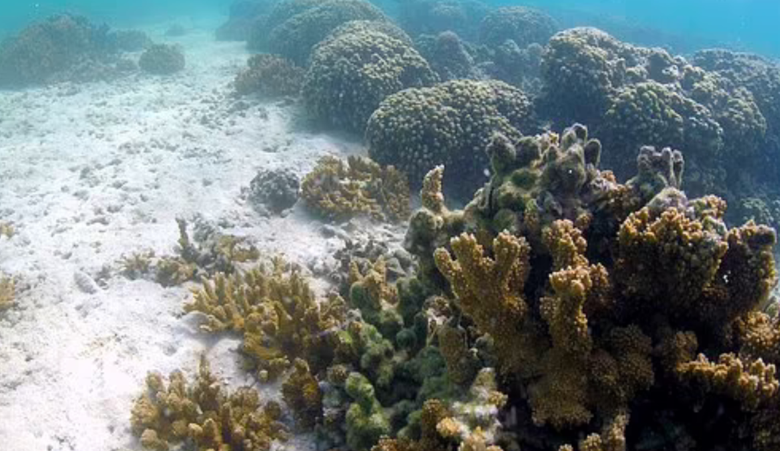
King Abdullah University of Science and Technology (KAUST) has opened a specialized coral restoration facility that it describes as the largest of its kind in the world. The facility marks a major step in moving coral restoration from small-scale initiatives to large-scale operations in the Red Sea.
The project is part of the KAUST Coral Restoration Initiative (KCRI), which is being implemented in partnership with NEOM. It aims to protect marine ecosystems, restore damaged reefs, and develop solutions that can support coral conservation efforts around the world.
Restoring Red Sea Reefs
KCRI aims to restore 100 hectares of coral reefs by 2040. The project is located at Shushah Island in the Red Sea, near NEOM in northwest Saudi Arabia.
As part of the initiative, up to 2 million coral fragments will be deployed across the site. The project also seeks to plant 2 million corals by 2030, helping rebuild reef ecosystems that support marine life, protect coastlines, and sustain fisheries and tourism.
Advanced Coral Nursery
At the heart of the facility is the world’s most advanced land-based coral nursery. Covering 28,000 square meters, it includes 380 tanks with a combined capacity of 3,000 liters each.
The nursery can produce up to 400,000 corals annually before they are transferred to the Red Sea. It also provides a controlled environment for scientists to study coral growth, survival rates, and resilience to changing climate conditions.
Smart Technology
The project relies on advanced technology to improve the scale and precision of restoration work. Its systems include automation, robotics, biobanking, and advanced research laboratories.
KAUST is also working with digiLab to develop artificial intelligence tools for coral conservation. The AI system will provide real-time simulations and predictions for the 100-hectare reef area, helping scientists understand coral growth, thermal tolerance, and resilience.
The technology is expected to reduce coral monitoring time from two months to two weeks. It will also help identify the most suitable locations for environmental sensors.
Digital Reef Monitoring
KCRI uses a large digital twin to monitor the reef ecosystem. The system has a capacity of 22 petabytes and helps researchers track reef health, detect algae growth, and identify early signs of disease.
The digital twin also supports 3D reef mapping and drone-based surveillance. Together, these tools enable scientists to make faster and more informed decisions about reef restoration.
Research and Training
Scientific research is a central part of the initiative. KCRI supports more than 55 research and development projects with national and international partners, focusing on coral resilience, reef health, and restoration methods.
The program also invests in Saudi talent. Through the National Talent Development Program, Saudi graduates receive one-year training in coral propagation, marine monitoring, and ecosystem restoration, helping build local expertise in ocean conservation.
A Model for the World
Although the project begins in the Red Sea, its solutions are designed to be applied globally. By combining science, engineering, and large-scale coral farming, KCRI aims to protect marine ecosystems and restore reefs affected by climate change.
The initiative also supports Saudi Arabia’s Vision 2030 goals for environmental protection and sustainable development, strengthening the Kingdom’s position as a global leader in coral reef restoration and marine science.