Saudi Arabia Adds 202 New Archaeological Sites to National Register, Strengthening Cultural Legacy

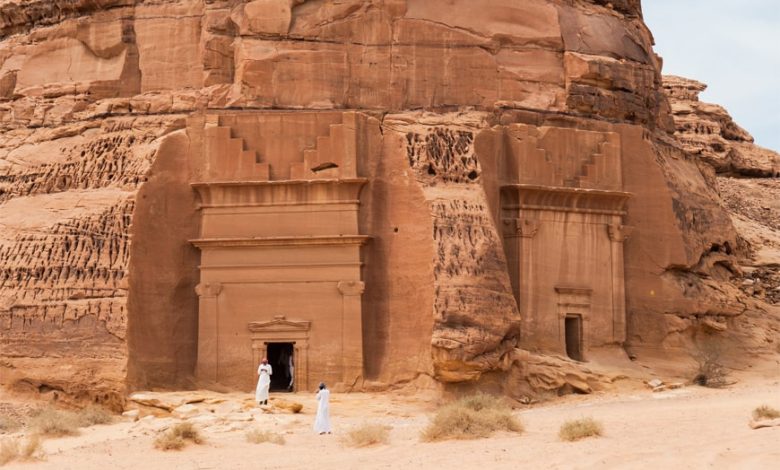
In a significant milestone for the preservation and recognition of Saudi Arabia’s cultural heritage, the Saudi Heritage Authority has recently announced the addition of 202 new archaeological sites to the National Register of Antiquities. This development highlights the Kingdom’s commitment to documenting, safeguarding, and showcasing its rich and diverse history, which spans thousands of years, further enhancing Saudi Arabia’s position as a global hub of cultural significance.
Diverse Geographic Spread
The newly registered archaeological sites span several key regions of Saudi Arabia, each of which offers a unique window into the ancient civilizations and cultural epochs that have contributed to the Kingdom’s historical landscape. Riyadh, the capital, leads with the highest number, recording 102 newly documented sites. These sites include ancient settlements, burial grounds, and monumental structures that reflect Riyadh’s historical importance as a central point of trade, politics, and culture in the Arabian Peninsula.
The Hail region follows closely with 80 sites, emphasizing its crucial role as a historical crossroads where various civilizations met and influenced one another. The Asir region contributes 20 new sites, showcasing its distinct architectural and artistic heritage, and further solidifying its place in the Kingdom’s rich cultural fabric. Each of these regions offers a distinct narrative, collectively telling the story of Saudi Arabia’s deep-rooted history and diverse cultural influences.
Archaeological Marvels Unveiled
Among the newly discovered sites, a wide array of archaeological marvels have been uncovered, each adding to the puzzle of understanding ancient life in Saudi Arabia. Among the most notable discoveries are stone structures, tools, tombs, mausoleums, rock art, and inscriptions, which provide invaluable insights into the daily lives, practices, and beliefs of ancient societies. These artifacts further underscore the Kingdom’s role as a cradle of human civilization, with a history that predates many other well-known ancient cultures.
The diversity of the findings at these sites not only illuminates the daily practices and technologies of the civilizations that once flourished here but also highlights the Kingdom’s profound influence on the broader Middle Eastern and African cultural landscapes.
Regulatory Framework and Preservation Efforts
The registration of these sites is part of a broader, systematic effort under the Antiquities and Urban Heritage System, established by royal decree, and managed by the Saudi Heritage Authority. This regulatory framework is designed to ensure that each newly documented site is carefully recorded, archived, and digitally mapped. This process allows for efficient management and conservation, while also ensuring that the sites are protected for future generations.
With the creation of a comprehensive spatial database and the ongoing preservation of archival materials, the Authority is strengthening its capacity to manage the Kingdom’s vast archaeological resources. By using advanced technologies to document and map these sites, the Authority is ensuring that Saudi Arabia’s cultural assets will continue to be safeguarded and appreciated for years to come.
Cultural Continuity and Future Prospects
The registration of these new archaeological sites represents not only a commitment to preservation but also a pledge to maintain and celebrate Saudi Arabia’s rich cultural identity. By honoring its past, the Kingdom is enhancing its national identity and setting the stage for future generations to engage with and explore their heritage. This also presents exciting opportunities for cultural tourism development, as the Kingdom continues to invest in sustainable heritage tourism initiatives.
The Saudi Heritage Authority’s efforts to preserve the country’s archaeological sites have wide-reaching implications for cultural continuity, strengthening Saudi Arabia’s role as a leader in cultural preservation. By promoting these historical treasures on the global stage, Saudi Arabia is paving the way for cultural exploration and inspiring global audiences to engage with its rich heritage.
Looking Ahead
As Saudi Arabia continues to uncover and protect its archaeological treasures, the Kingdom remains poised to offer new insights into the ancient civilizations that once thrived within its borders. The ongoing discoveries, combined with strategic initiatives to foster heritage tourism, underscore the Kingdom’s commitment to balancing preservation with modern development. This synergy will continue to ensure that Saudi Arabia’s cultural legacy remains a prominent force in global heritage conservation.
Saudi Arabia’s cultural heritage is an ever-evolving story, and the recent addition of 202 archaeological sites to the National Register is a testament to the Kingdom’s dynamic efforts to preserve, promote, and celebrate its past. As these sites are opened to exploration and further study, the world can look forward to even more fascinating revelations about one of the world’s oldest civilizations.