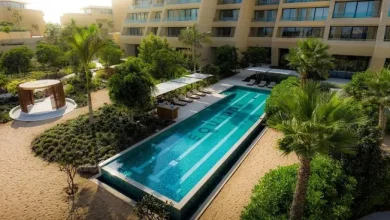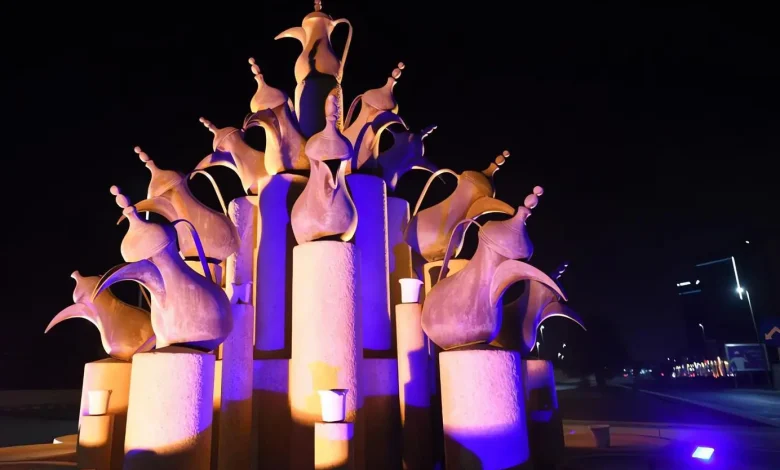
Jeddah’s public squares are home to a collection of artworks that have become associated with well-known locations and intersections and are now part of the city’s urban landscape. This artistic tradition, which spans decades, has brought sculpture and visual art into public spaces for residents and visitors alike.
The works range from sculptures inspired by everyday life to abstract forms carrying different artistic meanings. Artists and architects from several countries contributed to their design, turning the city into an open-air exhibition that reflects part of Jeddah’s visual-art history and gives its streets and squares a distinctive character.
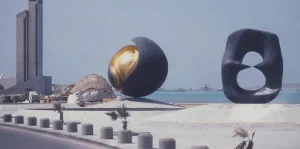
Among the most prominent landmarks is the Bicycle sculpture, designed by Spanish architect Julio Lafuente as a giant bicycle. It was previously relocated to the intersection of King Fahd Road and Al-Rawdah Street as part of traffic-improvement works, and remains one of the artworks closely associated with the city’s well-known locations.
The Sword sculpture is another notable artwork in Jeddah. Designed by Belgian artist Hubert Minnebo in 1982, it combines visual composition with symbolic meaning and reflects the diversity of artistic schools embraced by the city’s public squares.
In northern Jeddah, the Jeddah Municipality announced in April 2026 the development of the intersection of Prince Sultan Road and Hira Street, while retaining the History sculpture in its location. The project aims to improve traffic flow and the urban landscape, reflecting an approach that takes public artworks into account when implementing road-development projects.
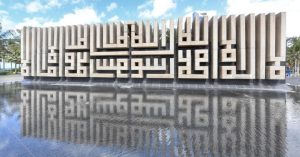
The municipality has also worked to raise community awareness of the importance of the city’s aesthetic sculptures through its “Bride of the Red Sea” initiative to photograph Jeddah’s landmarks, launched in April 2026. Its first phase included an exhibition featuring 25 photographs out of 100, presented by five photographers. The initiative also launched a webpage listing the sculptures, their artistic meanings, designers, years of completion and locations.
Documenting these works helps reveal their history and designers’ ideas, and traces their presence in Jeddah’s urban landscape. It adds an educational dimension to viewing the sculptures in public spaces and highlights part of the city’s artistic heritage for residents and visitors.
Related Topics:
Aseer’s Ramadan Nights: Heritage Villages Illuminate Tradition
Heritage Villages of Al-Baha: Enchanting Tourist Destinations Blending Nature, History
Thee Ain Historical Village Hosts Eid Al-Adha Festivities with Heritage Commission
Farasan Islands: Explore Fascinating Tourist Attractions, Nature and Heritage