


By: Ranim Elgabakhngi
Rest at night matters more than many realize when it comes to staying physically well and mentally clear. Yet across the world, huge numbers fail to find deep, steady slumber regularly. Studies show sound sleep sharpens thinking, boosts body defenses, even lowers long-term illness chances. Those who study sleep suggest practical, tested methods – small shifts – that lead to waking up energized.
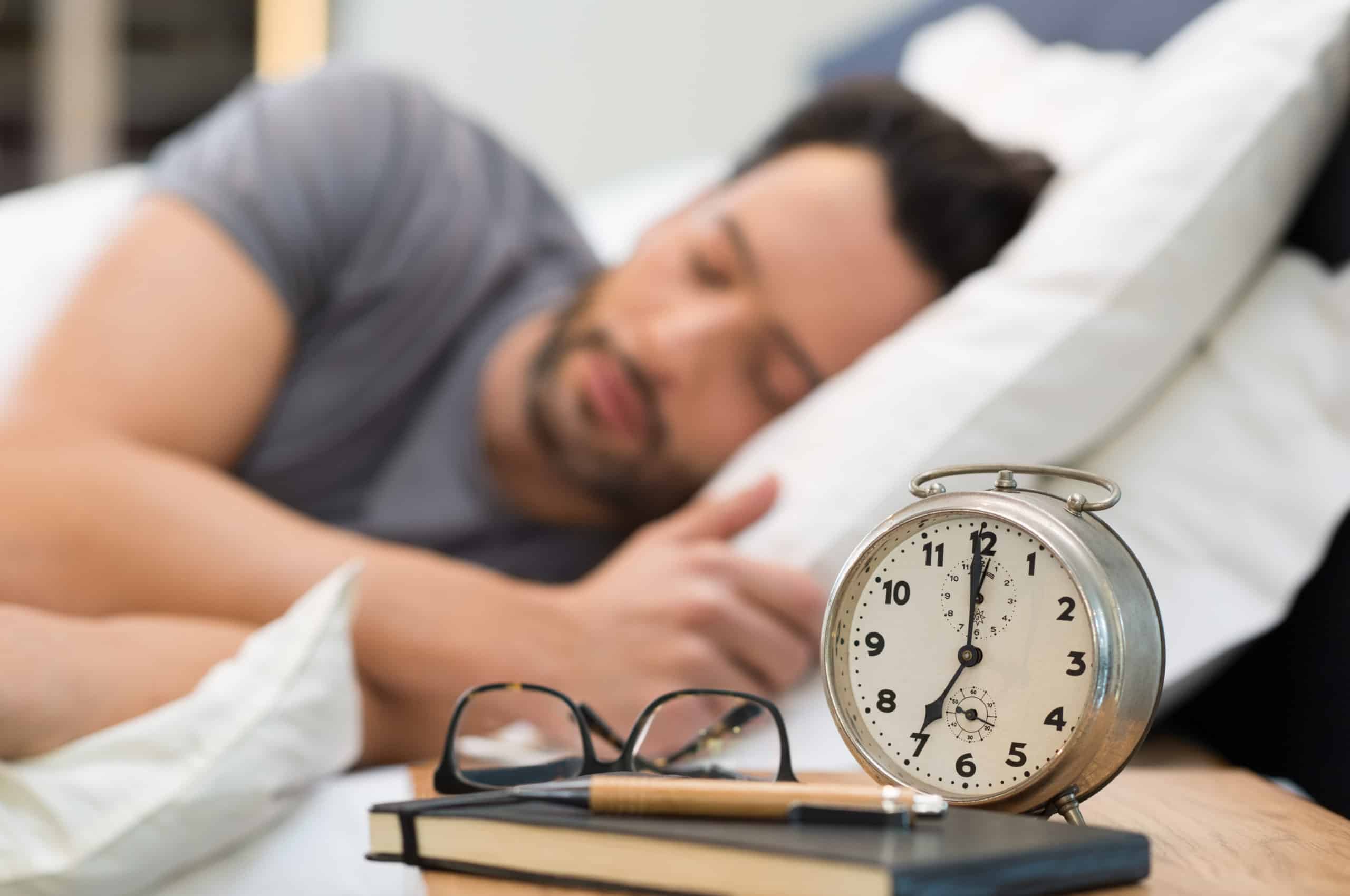
Consistent Sleep Schedule
Most folks find better rest via sticking to a steady bedtime routine. When you climb into bed and rise each morning at fixed hours, your inner timing system adjusts smoothly. This daily pattern lines up your natural energy peaks so sleeping comes easier. Saturday mornings feel less jarring when the rhythm stays consistent unchanged.
Sleep Friendly Environment
A good night’s rest often depends on where you sleep. Cool air, little light, maybe even silence – those seem to help most people drift off easier. Soft sheets plus a firm bed tend to make lying down feel more natural. When sound stays low and screens turn off, the mind starts to slow down too.

Limited Screen Time
When phones, tablets, or TVs glow late at night, their light slows down melatonin – your body’s signal to rest. One full hour without them before bed makes a difference, say specialists. Reading quietly or sitting still with your eyes closed can never compare to scrolling or texting on your phone late in terms of easing your mind.
Healthier Lifestyle Habits
The way people sleep at night plays a role in terms of how they wake up the next morning. Moving your body every now and then helps you drift off without much waiting. Heavy dinners tend to linger, making it harder to settle down – so lighter choices often work better. Caffeine late in the day? That one can push bedtime further than expected.
Most nights go smoother when routines stick and not because of one fix alone. A steady bedtime helps, yet so does a room that feels calm and dark. Screens down by evening make a difference, just like moving more during daylight hours. Small choices add up – less blue light, maybe deeper rest. Bodies respond when habits link together, not in isolation. Waking easier often ties back to what happened hours before. Health leans into those patterns, energy follows.

Related Topics :
How to Cope With Extremely Hot Weather?
Here’s a Secret… 6 Plant Foods for Better Muscle Growth
Simple Tips to Have a Restful Sleep during Hot Weather


