

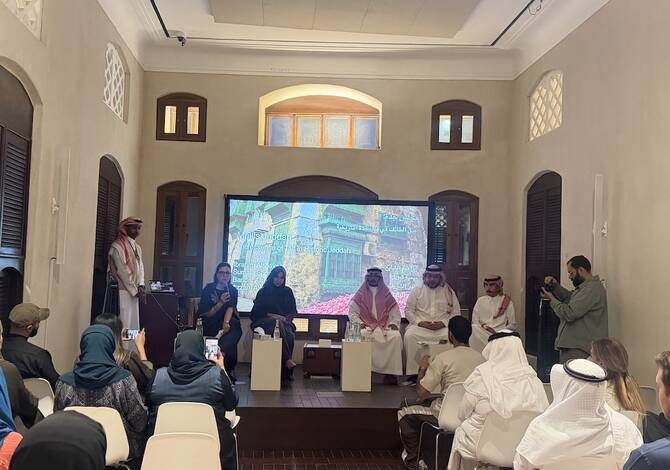
A recent panel discussion at the Red Sea Museum in Historic Jeddah, known as Al-Balad, examined the deep cultural and historical connections between Taif and Jeddah.
The event, titled “Majlis Jeddah: The Essence of Taif in Historic Jeddah,” brought together heritage experts, artists and cultural practitioners to discuss the shared history of the two cities through trade, music, architecture and natural heritage.
Moderated by Eman Zidan, director of the Red Sea Museum, the session featured Sumaia Showail, general manager of Aysh Academy; Ibrahim Al-Shaya, an archaeology specialist at the Ministry of Culture; Bandar Alshareef, director of the Tariq Abdulhakim Museum; and Azzam Al-Ghamdi, artisan, oud enthusiast and founder of the luxury Saudi perfume brand Dar Azzam.

Zidan said the discussion focused on the longstanding relationship between Taif and Jeddah, highlighting Historic Jeddah’s role as a major commercial gateway. She noted that districts such as Bab Al-Bunt historically welcomed merchants and travelers, helping transform the city into a center of cultural exchange connected to regional and international trade routes, including the movement of agricultural products from Taif.
Red Sea Museum
According to Zidan, the session sought to explore these intertwined histories through the lens of culture and creativity, particularly the legacy of pioneering Saudi musician Tariq Abdulhakim. Born in Taif, Abdulhakim drew inspiration from the city’s environment, traditions and heritage before expanding his artistic influence through his connection to Jeddah.
She also pointed to the growing recognition of both cities as international culinary destinations, supported by the Culinary Commission and the Ministry of Culture. The discussion further examined the role of artisans in preserving traditional rose-based perfumery from Taif as part of the region’s living cultural heritage.
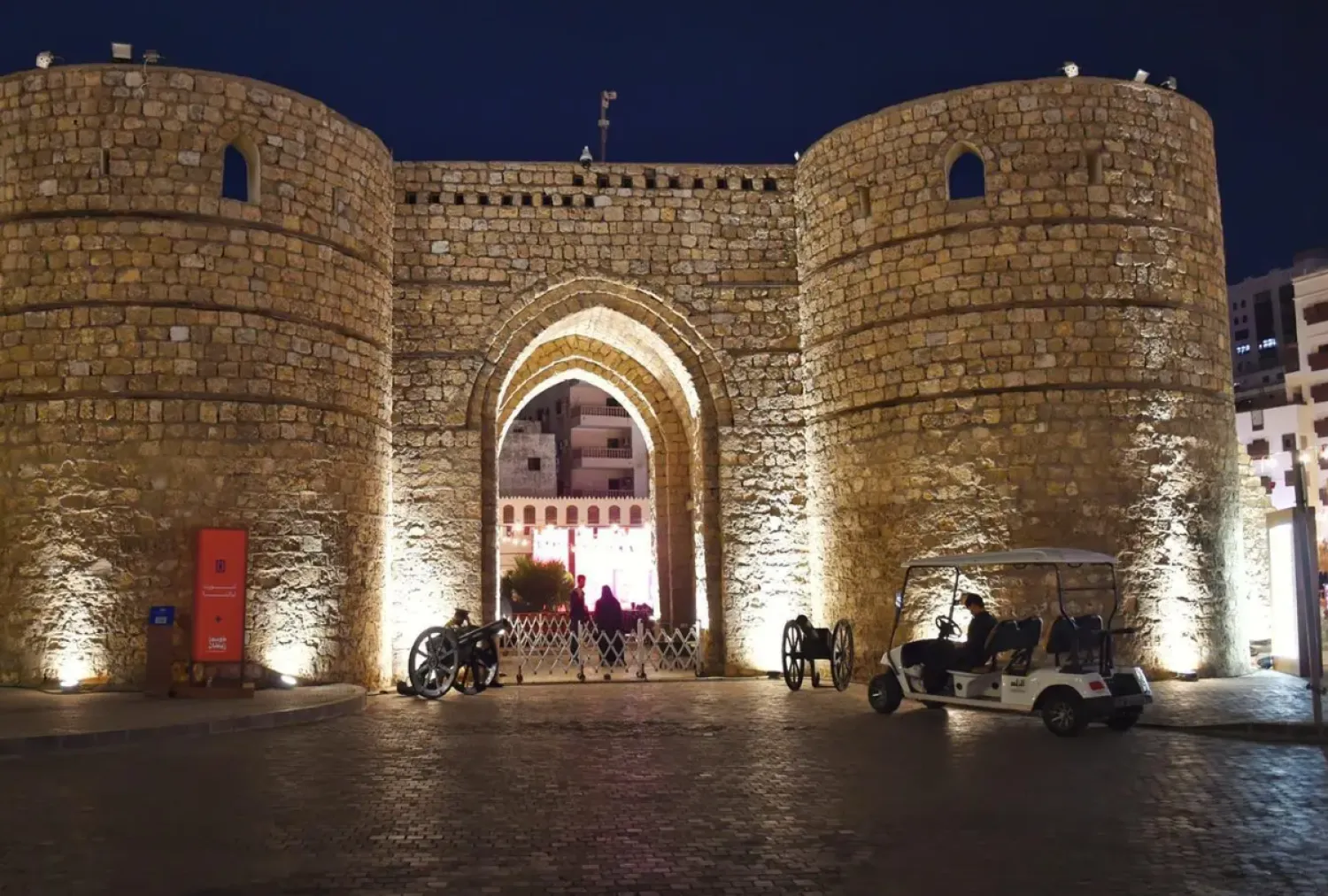
Al-Shaya emphasized the historical interdependence of the two cities, describing Jeddah as western Saudi Arabia’s principal maritime gateway.
“Jeddah was the gate of the sea in western Saudi Arabia, connecting goods, food and culture between regions,” he said. “The relationship between Taif and Jeddah has long been built on exchange and trade, with Taif’s produce reaching pilgrims and visitors through the city.”
Showail focused on the culinary dimension of the relationship, linking it to broader efforts to promote cultural heritage.
“Jeddah and Taif complement each other,” she said. “Jeddah represents heritage, markets and the sea, while Taif brings farms, roses and natural products. Together, they create a complete culinary and cultural experience rooted in sustainability, from land to plate.”

The session, organized with the participation of the Tariq Abdulhakim Museum, also explored Taif’s lasting influence on Saudi Arabia’s cultural and artistic identity, particularly through Abdulhakim’s legacy and the traditional Al-Majrour musical form.
Alshareef underscored the importance of cultural institutions in preserving oral traditions and artistic heritage.
“It is important to bring these stories and expert knowledge to the public so people become aware of the depth of our cultural heritage,” he said. “The environment of Taif, its farms and natural surroundings deeply influenced Tariq Abdulhakim, shaping his discipline, patience and artistic vision.”
%2520(1).jpg)
He added that the museum continues to showcase traditional performances and heritage music for local and international audiences in Historic Jeddah.
Taif and Jeddah
Al-Ghamdi highlighted the shared sensory heritage of Taif and Jeddah, particularly in gastronomy and perfumery.
“Taif and the wider Hijaz region have long been central to trade in natural products,” he said. “We are known for traditional dishes such as saleeg and for natural perfumes made from roses, wormwood, lemongrass and lavender. These traditions reflect purity and authenticity in both food and fragrance.”
The evening concluded with a live performance of traditional Taif music and a demonstration of natural perfume extraction by Al-Ghamdi, giving attendees a hands-on experience of the cultural traditions discussed during the event.
Zidan said the Red Sea Museum continues to serve as a community gathering space through monthly panel discussions, lectures and workshops tailored to different age groups and accessibility needs. The museum also hosts permanent and temporary exhibitions, including “Sunken Treasures,” which remains on display until mid-August.
Related Topics:
Red Sea Museum Extends “Sunken Treasures” Exhibition in Historic Jeddah
Rare Coral Prayer Beads on Display in Red Sea Museum
Farasan Maritime Museum Celebrates 20 Years of Preserving Red Sea Heritage


