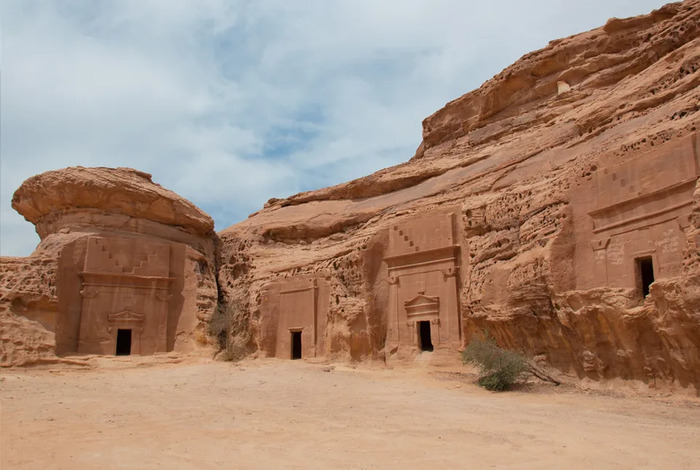
Tayma is considered one of the oldest historical cities in the Arabian Peninsula. It is located in the Tabuk region in the northwest of Saudi Arabia. This ancient city is distinguished by its deep historical and cultural significance, dating back thousands of years. It once served as an important station along the trade routes that connected southern Arabia with the Levant and Mesopotamia.
The archaeological discoveries in Tayma reveal its long history and its connections with ancient civilizations such as the Aramaic and Babylonian. Inscriptions written in Aramaic and Babylonian scripts have been found at the site—some of the oldest written records in the Arabian Peninsula—confirming Tayma’s role as a significant cultural and economic center in antiquity. Among the most notable inscriptions is that of the Babylonian King Nabonidus, which indicates that he resided in Tayma for a period during the 6th century BCE.
Bir Haddaj
One of Tayma’s most prominent landmarks is Bir Haddaj, one of the most famous historical wells in the Arabian Peninsula, said to date back to pre-Islamic times.
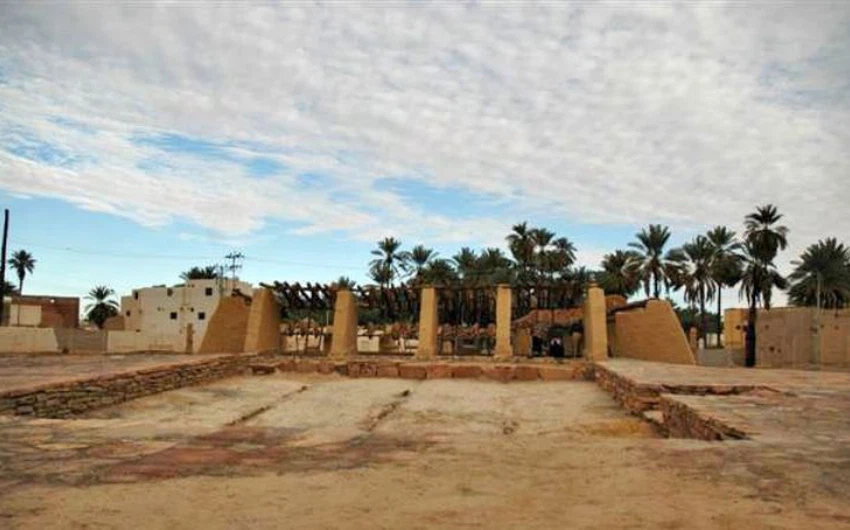
Moreover, the well is remarkable for its large size and wide circumference and served as the main source of water for Tayma’s inhabitants throughout the ages. It remains today a prominent symbol of the city’s heritage.
Qasr Al-Hamra
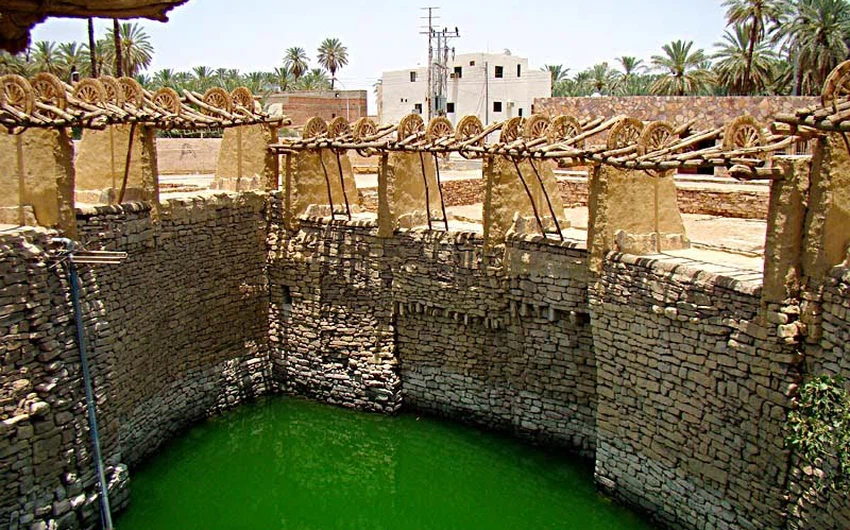
Tayma also features Qasr Al-Hamra (the Red Palace), an important archaeological site dating back to ancient times. Additionally, the palace stands out for its unique architectural layout and remnants that reflect the construction styles of that era, showcasing the development of architecture in northern Arabia.

Surrounding Tayma are ancient walls, residential sites, and old cemeteries, indicating that it was once a thriving city with an integrated urban character. A team from the Saudi Commission for Tourism and National Heritage continues to study and restore these sites so they may stand as enduring witnesses to the Kingdom’s rich history.

In summary, the Tayma Archaeological Site is not merely a historical location—it is a living record of the civilizations that succeeded one another across the Arabian Peninsula, and a center of cultural and commercial vitality that still preserves its authenticity to this day.
Related Topics :
Hail Region Delegation Makes Exceptional Visit to Jordan’s Archaeological Sites
Al-Waba Crater: One of World’s Top 100 Geological Heritage Sites
AlUla’s Elite Familiarizes Guests with Tourist Attractions, Economic Projects