

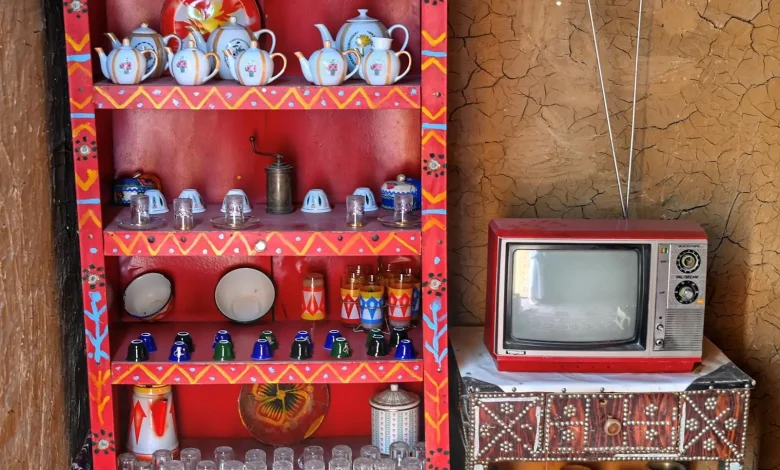
Makkah holds a rich intangible heritage that reflects its cultural and social identity through customs, traditions, folk arts, crafts and inherited practices. Shaped across generations, these traditions have defined life in the city and remain a living expression of its authenticity, cultural diversity and commitment to preserving its legacy.
The International Day of Intangible Cultural Heritage, observed annually on October 17, highlights the importance of protecting this legacy as part of national identity and collective memory. It also raises awareness of the need to safeguard local heritage amid rapid global change.
Makkah’s distinctive character has been shaped by its religious and historical standing and its role as a meeting point for pilgrims, Umrah performers and visitors from around the world. This has fostered cultural exchange and produced distinctive forms of dress, food, hospitality and folk arts.
Hospitality, honoring guests, solidarity and community connection are central to Makkah’s social heritage. These values are evident during celebrations, Ramadan and the Hajj and Umrah seasons, through family gatherings, sharing food, welcoming guests and offering coffee and dates.
Traditional cuisine is a prominent expression of this heritage, including dishes such as mutabbaq, saleeg, hareesah, grilled foods and popular sweets. Their value lies not only in their preparation but also in the stories and traditions of serving and sharing that reflect the city’s social life.
Makkah is also rich in songs, chants, poetry, storytelling and folk tales passed down through generations. These practices preserve local memory, document daily life and historical change, and express belonging through the city’s distinctive vocabulary, dialects and rhythms.
Traditional crafts and old professions form another key part of Makkah’s cultural memory. Manual, commercial and service occupations once met the needs of residents, pilgrims and Umrah performers, passing down skills related to pottery, household tools and handmade products.
Heritage associated with Hajj and Umrah holds a special place in the city’s memory. It includes practices of welcoming and serving the Guests of Allah, customs surrounding pilgrims’ arrival and departure, and traditions of solidarity, hospitality and cultural exchange that have reinforced values of tolerance and coexistence.
This heritage is closely linked to Makkah’s historical landmarks, old markets and traditional buildings. Museums, cultural centers and awareness programs play an important role in documenting oral narratives, displaying artifacts and connecting crafts and customs to their historical context.
Cultural and educational institutions support preservation through research, exhibitions, events and training, while involving artisans, storytellers and older generations in passing knowledge to younger ones. Modern technologies also help record narratives, performances, crafts and customs.
As lifestyles and communication methods change, preserving intangible heritage requires keeping it a living practice rather than presenting it as a relic of the past. This shared responsibility involves institutions, families, practitioners and researchers.
Makkah’s legacy extends beyond its landmarks to the customs, values, knowledge, arts and skills passed down through generations. In this way, the city’s memory remains alive, reflecting its identity and connecting its past with its present and future.
Related Topics:
Royal Commission for Makkah City, Holy Sites Launches Saudi National Day Events Calendar
8 Daily Habits to Train Brain to Feel Happy


