


By: Ranim Elgabakhngi
Hunger, as everyone already knows, manifests itself as a physical tug, a real gut-level sensation when one’s body is running out of fuel. Appetite on the other hand is triggered by smells, sights, habits, or even boredom. One is derived from nature, the other is a result of our environment and habits. When it is almost time for lunch, the clock may stimulate the desire for food well before the stomach makes any sound. One being full doesn’t always prevent them from eating if the food tastes are still appealing. The brain gets different messages from the body, the messages become mixed, then the brain ignores them. When hunger is weak cravings come up. Even if the stomach is empty, the person can still turn down breakfast because of their mood or memory. Our bodies require energy, while our minds seek pleasure that goes beyond calories. This difference is the reason why we eat meals at unusual times and have snacks even after we are full.
Physical Hunger
Physical hunger is obviously one of the first sensations to make itself felt when the body runs out of energy. After the stomach gets emptied, there are signals coming from the brain that suggests the lack of glucose in the blood. It starts with a slight stiffening that eventually turns into a more intense pain in the stomach area. They are basically the body’s internal signal regulators that keep it functioning normally. When we eat, the stomach gets filled with whatever kind of food that we consume, then the desire gets pacified and the equilibrium is restored.
Psychological Appetite
Appetite arises not because the body requires energy but when something attracts your mind. A sudden smell of freshly baked bread could trigger it even after a person has just finished a meal. A signature dish is more tempting than most other meals since the strong emotions connected to the pleasure of its taste linger. The visual appeal of food – shiny, colorful, warm – may instantly activate the desire. Besides the physical hunger associated with the length of fasting, feelings also cause it. Once that alluring dish disappears, so does the desire, like the wind stopping half way through a blow. It longs for something crunchy, salty, sweet – not merely calories. Social situation also make it louder, thereby making the missing of certain pieces in the meal feel like the meal itself is incomplete. Memory can fool you by recalling the taste of something from years ago. The thing that motivates all this is certainly not the physical hunger but what makes the brain light up.
Key Triggers Compared
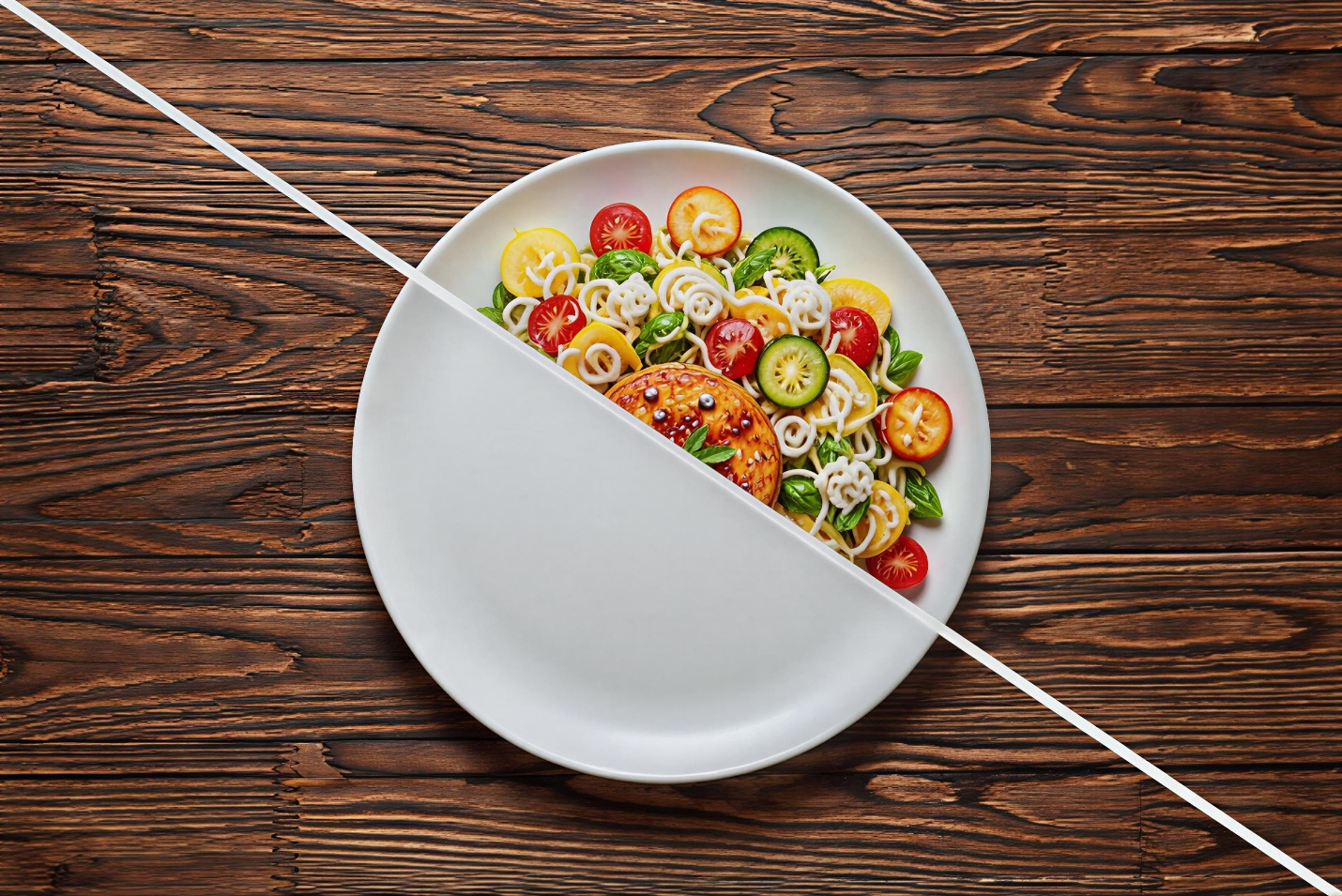
There is something within us that stirs when it has been several hours without eating – that slow climb is caused by the signals sent through the blood and tissues. In contrast with this quiet pressure from inside, the desire for certain foods frequently comes through the eyes of someone seeing a sweet or the ears of someone hearing a jingle on the screen. The pain or annoyance around dinnertime gets bigger with or without our consent, it is connected with our energy levels far below the skin. On the other hand, sudden desires can come even after eating full meals, being pulled along by mood changes, loneliness, or nice-looking wrappers under the store lights. One type only goes away after eating; the other may disappear just by turning one’s back. Not all cravings correspond to what muscles and the brain actually require to function.
Behavioral Impact
Among other things, their differences become clear at meals. One of the main reasons we eat is because our stomachs tell us to and when this happens we naturally stop eating when we feel we have eaten enough, which means that we are also ready for a wide-selection of different foods without getting irritated or anything. When the only thing that concerns people is just the craving for the good taste, they tend to eat well beyond the point of being full, go for sugary or fatty treats, and finally find it very hard to stop even though they have more than enough energy. When you to recognize whether hunger or only desire is in control will help you make better decisions every time you go toward food.
Hunger is a quiet thing, a simple unchanged sign that the body is calling for energy. Appetite is much more intrusive and it is often led by the senses, feelings, and habits rather than the actual need. Deciding which is which alters how we experience food. It influences what we choose to eat effortlessly, just by being conscious of it. When this distinction is obvious, eating is more like following a natural cycle than giving way to a sudden desire. We are bothered less by the feeling of fullness than by factors like timing, the situation, or even the light. Once the gap between desire and real need has been noticed, it becomes easier to see. Moments of stillness help us understand what was not clear to us before.
Related Topics:
Healthy Balance: Enjoying Your Favorite Food Wisely
Traditional Saudi Food Flavors Kleija Festival 2026
Saudi Feast Food Festival Brings Authentic Flavors to Riyadh


