


Nestled in the Makkah Region, Wadi Al-Souh is one of the many valleys that have left a lasting mark on the history of the Arabian Peninsula. These valleys have borne witness to the lives of legendary figures whose legacies remain etched in Arab and Islamic heritage.
Wadi Al-Souh, located in the Al-Lith Governorate, stands out as both a natural wonder and a historical treasure. It is one of the largest valleys in the Tihama region, situated in Yalamlam—about 100 kilometers north of Al-Lith and 80 kilometers south of Makkah.
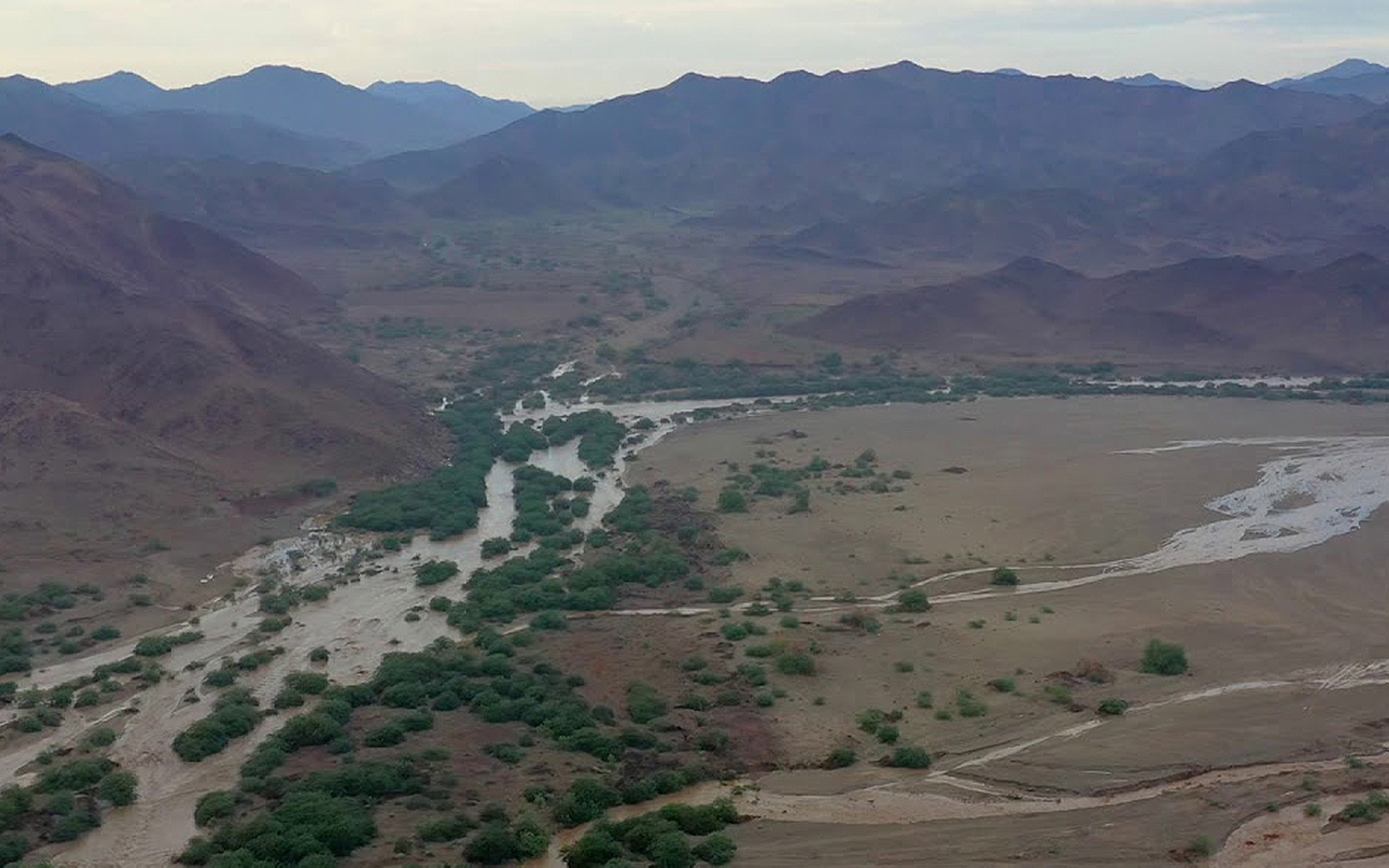
Surrounded by majestic mountains, the valley features diverse landscapes and striking topography. It also appears as a narrow, rock-lined corridor shaped by the torrents that descend from the Sarat Mountains, southwest of Taif, roughly 30 kilometers away.
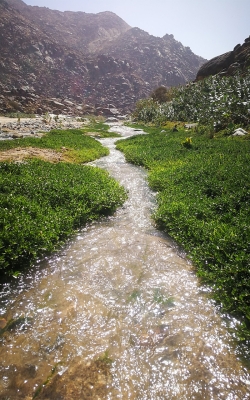
Historically and culturally rich, Wadi Al-Souh was once home to several Arab tribes. Additionally, it served as a vital route for trade caravans and played a key role as a stop on the ancient Yemeni Hajj route. Today, the valley’s rugged cliffs still display rock inscriptions and petroglyphs that offer a glimpse into its storied past—remnants of civilizations that once passed through this remarkable landscape.

Related Topics :
Wadi Al-Arj in Taif: Blend of Nature, History, and Culture
AlUla Invites Visitors to Experience Ramadan in Unique Way
Taif’s Mountain and Valley Farms: Trailblazer in Organic Agriculture
Silver Handicrafts Showcase Saudi Arabia’s Cultural Richness, Artistic Legacy


