Ministry of Health Warns Against Abandoning Medication for Unproven Diets

The Ministry of Health has cautioned the public against adopting unscientific diets as substitutes for prescribed medical treatment, warning that such practices can have serious health consequences.
The ministry issued the warning following documented cases in which individuals experienced significant health complications after stopping insulin or other diabetes medications based on advice associated with popular diet trends.
According to the ministry, some people either replaced prescribed medications with these diets or reduced doses of treatments for chronic illnesses without consulting their healthcare providers. In several cases, patients required emergency medical intervention and admission to intensive care units due to severe hyperglycemia and diabetes-related complications.
The ministry also warned against labeling foods as inherently “good” or “bad,” or eliminating essential food groups without a valid medical reason. Such practices, it said, can result in deficiencies of vital nutrients. It further cautioned against claims that high consumption of sugars or saturated fats is safe or beneficial for everyone.
healthy diet
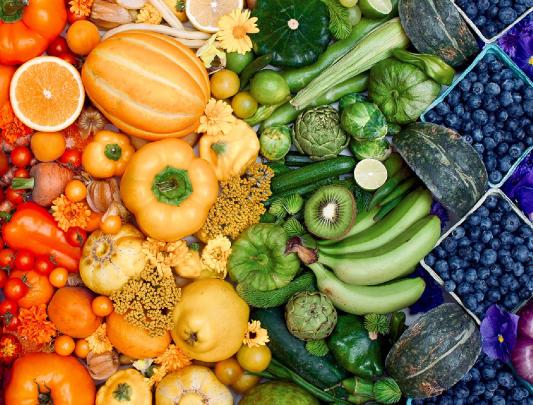
Health officials emphasized that a healthy diet should be balanced and varied, including plenty of vegetables, moderate amounts of fruit, whole grains, and diverse sources of protein, while limiting added sugars, sugar-sweetened beverages, saturated fats, and salt.
The ministry urged anyone who has stopped taking prescribed medication or reduced their dosage without medical supervision to consult a physician immediately rather than wait for complications to develop. It also advised individuals considering therapeutic diets to seek guidance from physicians and licensed nutritionists to ensure appropriate medical oversight and safeguard their health.

In addition, the ministry encouraged the public to obtain health information from trusted sources, including the Live Healthy platform, the Ministry of Health’s official health awareness portal, and its 937 medical consultation hotline. It warned against misinformation and unverified health claims, stressing the importance of relying on credible sources to protect public health.
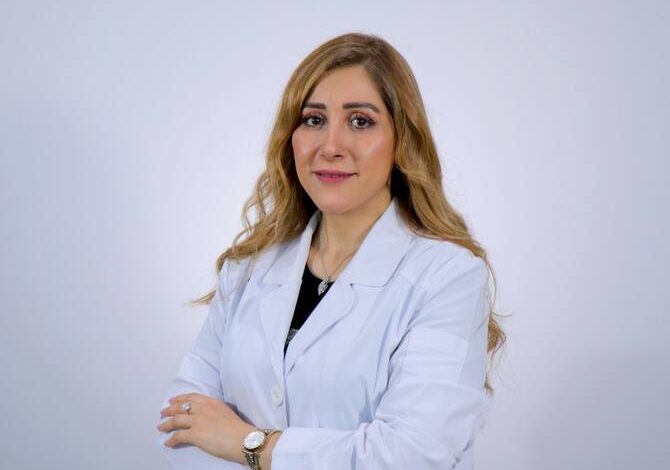
Dr. Vivian Mohamad Wehbe, a clinical nutritionist, told Arab News that social media platforms have recently seen the rise of a trend known as the “good foods diet.”
According to Wehbe, proponents of the diet encourage patients to discontinue medication and instead consume foods high in sugars and saturated fats while avoiding fruits and vegetables entirely.

“This is a clear violation of scientific principles and poses a direct threat to patients’ health,” she said.
Wehbe noted that the Ministry of Health has repeatedly warned that discontinuing medication without medical supervision can lead to serious complications, particularly for people living with chronic diseases.
SFDA
She added that the Saudi Food and Drug Authority has emphasized the importance of balanced nutrition and reducing the intake of saturated fats and sugars, citing evidence linking them to elevated harmful cholesterol levels, increased inflammation, and insulin resistance.
“Promoting such foods as a treatment runs counter to established health recommendations,” she said.

Wehbe also warned that restricting fruits and vegetables—major sources of vitamins, minerals, fiber, and antioxidants—can lead to nutritional deficiencies, digestive disorders, and weakened immune function.
“There is no scientific evidence supporting such diets or the exclusion of entire food groups,” she said.
She attributed the popularity of these diets to patients’ desire for quick solutions but argued that many of these approaches amount to commercial exploitation.

Nutritional Therapy
“Nutritional therapy is an important component of treatment, but it cannot replace medication,” Wehbe said. “Patient health should never be subjected to experimentation or unsupported claims.”
She called for greater public awareness of the risks associated with such dietary trends and urged patients to follow evidence-based nutritional plans developed under the supervision of qualified healthcare professionals.

“Promoting adherence to scientifically approved dietary programs is essential to protecting patients’ health and well-being,” she said.
Related Topics:
Health Ignorance: Dismissed Advice
Saudi Artist Portrays Riyadh’s Transformation through Paintings
Saudia Airlines Introduces First Fully Internet-Enabled Flight