Situated about 150 km northeast of Buraidah in Al-Asyah Governorate, Qibah marks the eastern entrance to the Qassim Region. Its location has long made it a key junction, linking Qassim with Hail, Riyadh, the Eastern Region, and the Northern Borders. Once an essential stop for caravans traveling from Iraq, Qibah gradually developed into a permanent settlement during the unification of the Kingdom, strengthening connections between surrounding communities.

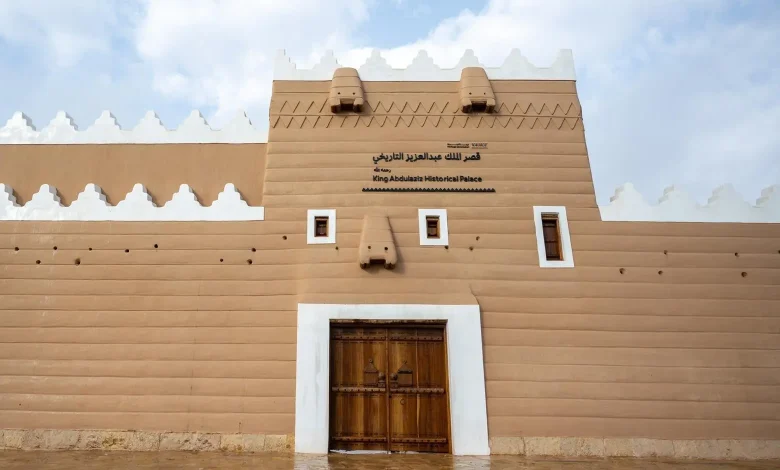
One of Qibah’s most prominent landmarks is the King Abdulaziz Historical Palace, built in 1351 AH (1932). Covering approximately 15,000 square meters, this mud-brick complex includes five watchtowers, guest quarters, administrative sections, and a mosque. Alongside the former emirate headquarters and the traditional marketplace, it reflects the region’s historical importance and defensive role during the early formation of Saudi Arabia.
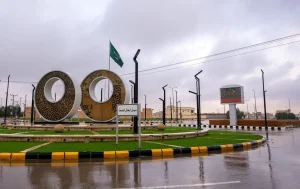
Today, Qibah has evolved into a growing center for logistics and industry. The nearby Al-Baitha Mine, a major bauxite production project, plays a central role in expanding the local economy. Agriculture also remains vital, with farms producing dates and seasonal crops supported by groundwater irrigation, while extensive grazing lands sustain livestock and camel breeding.
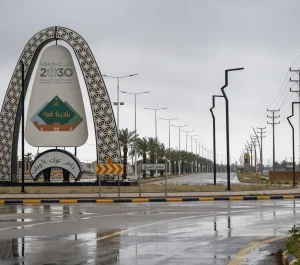
With ongoing improvements in infrastructure and services, Qibah is positioning itself in line with Saudi Vision 2030 goals to strengthen regional development. By combining its historical legacy with modern industrial growth, the city is reinforcing its importance as both an economic contributor and a strategic transit hub in the Kingdom’s northern trade network.
Related Topics:
King Abdulaziz Palace in Qibah Celebrates Eid Al-Fitr
Saudi Arabia Expands Global Innovation Footprint at SusHi Tech Tokyo 2026