

By: Ranim Elgabakhngi
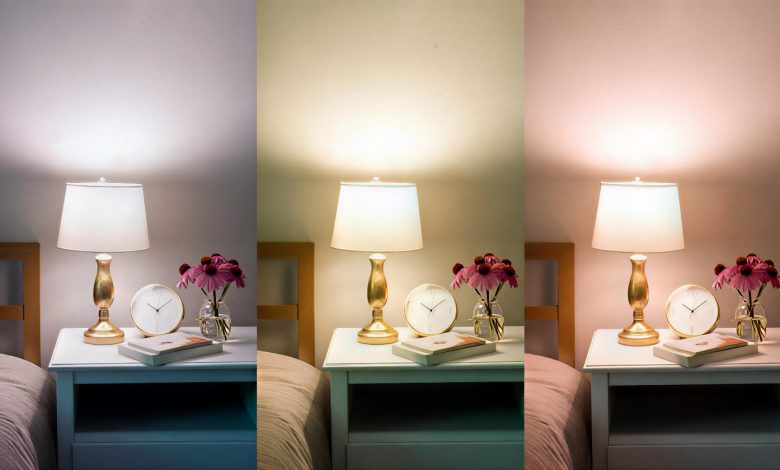
Light and color are fundamental modifiers – they determine not only our perception of colors but also the feeling of space. Moving e.g. to warm colors creates a sense of coziness, while cool colors can be refreshing. These choices do more than beautify; they silently stir the inner spirit. Various factors – such as the use of daylight or artificial light, the level of brightness and saturation, and the contrast – change our perception indirectly.
Different lighting scenarios change the way a room looks – for example, light at dawn and light at dusk. Also, minor changes can make people either relax and calm down or energize and keep their activity level up. Choosing certain colors have a strong connection to the invisible influence of human behavior. If the psychologist or architect knows the trick, they can make the perfect decision. The outcome? Places that are more of an asset than a distraction.
The Power of Warm Colors
Some colors – for instance, red, orange, and yellow – bring in warmth visually and thus, they seem to pull the walls in. A room might look smaller as these colors give a feeling of coziness by visually pushing. These colors are associated with elevated energy levels; one can observe that people in such environments speak more, move more and generally interact more. These colors are, therefore, found in places where there is a lot of communication. Excessive intensity? That changes the atmosphere, the corners become harsh, and tranquility is lost.
The Serenity of Cool Colors
Blues, greens, and similar cool tones visually retreat, so visually there is more air and width in the rooms. These colors create a very calming effect – they exude trust very gently and tension is reduced very slowly. One may either become more focused or more relaxed, this will depend on the situation. Bedrooms or calm corners gain the most from their presence. However if there’s no warmth close by they may seem to be a little bit distant, even cold if there is too much of them.
Lighting Temperature and Emotional Tone
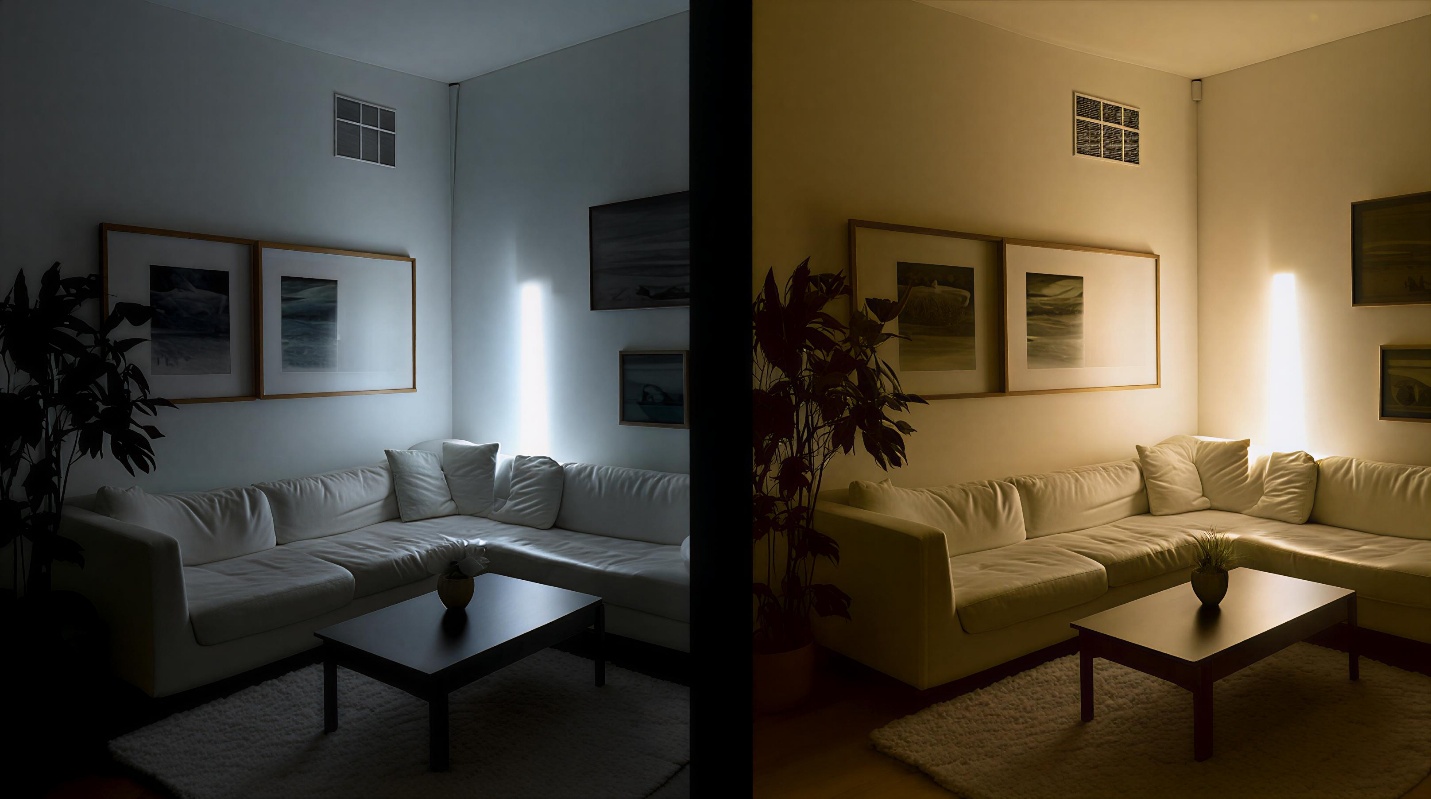
Our feelings towards the environment change with the changing warmth of light; soft colors induce relaxation just like evenings naturally relax us. Stronger colors may bring clarity to one’s thoughts – to a certain point it is like morning air that stirs one’s attention. Through this change, a place can be seen as: fun when the day is filled with work, and calm when the night is coming. Our senses can very easily be fooled through such subtle influence.
Layering Light for Dynamic Atmospheres
Lights are most effective when they are constructed in layers – a gentle background light establishes the mood, a few focused spots facilitate certain actions, and directional beams emphasize the details. A change in brightness or color assists in transitioning the space seamlessly, thus being able to help in making it either clear or cozy depending on the need. With the presence of modifiable features, any space can react organically to varied moments and moods.
Colors can influence the mood without words under the intense light. When the warmth changes to soft yellow from cold white, the room feels different. The decision doesn’t only aesthetically change the room but at the same time silently help people’s feelings inside. Light reflecting off the walls can create effects that either relax or energize. When color harmonies are in line with the purpose, the area is alive with the reason it exists. The things around us have a quiet influence on our mind-body faculties.


