By: Ranim Elgabakhngi
Technology has become a prominent part of the design of a house over the last couple of years without much noise; the focus has shifted from purely aesthetic choices to a seamless fusion where one can hardly tell the difference between decor and technology. Instead of gadgets being concealed in corners or behind cabinets, they have become visible and attractive elements that bring functionality to a room while still being fashionable. Fashion in this new period is represented by innovation just like any other material, texture, light, or form, thus resulting in spaces that look futuristic yet are very personal.
Blending Intelligence
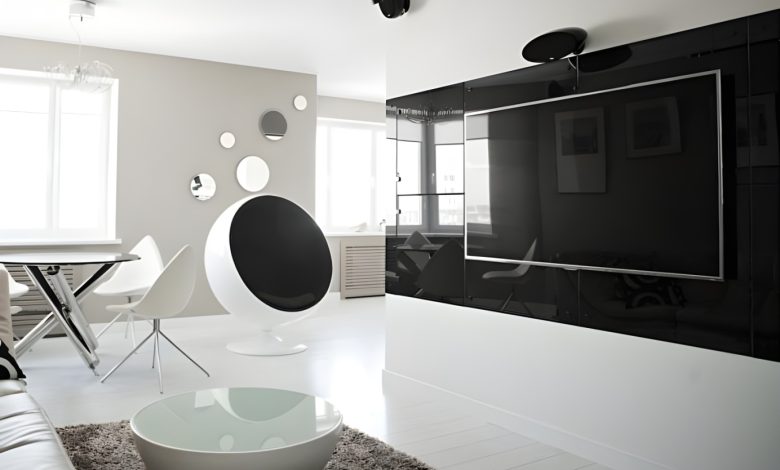
At present, the highly desirable smart systems essentially vanish out of sight into the building and the furniture. A motorized art piece goes up to reveal a hidden television which is an ordinary oil painting in appearance when it is off. Mirrors are also turned into ultra-thin displays to show art collections or light simulations for the morning. A whole wall can be a responsive surface that changes its color and pattern due to the embedded nano-LED layers controlled by subtle hand gestures. These are attractive solutions for minimalists as nothing impedes the clean lines and every surface is still silently functional.
Living Materials
The growing trend is that people use adaptive materials that are reactive to the presence and even the mood of a person. For instance, tables with electrochromic glass tops visually change from transparent to opaque in order to give privacy and it can be done by just a touch. Likewise, floorings which have been embedded with pressure-sensitive lighting help the visitors to walk through the dark areas in the house or building and the light which is soft and glowing fades behind them like a silent path. Besides that, planters which have built-in hydration systems not only show the vital statistics through the delicate light rings around the ceramic rims but the plant care process also becomes a living sculpture. These elements vaguely don’t see the difference between an object and an organism.
Atmospheric Control
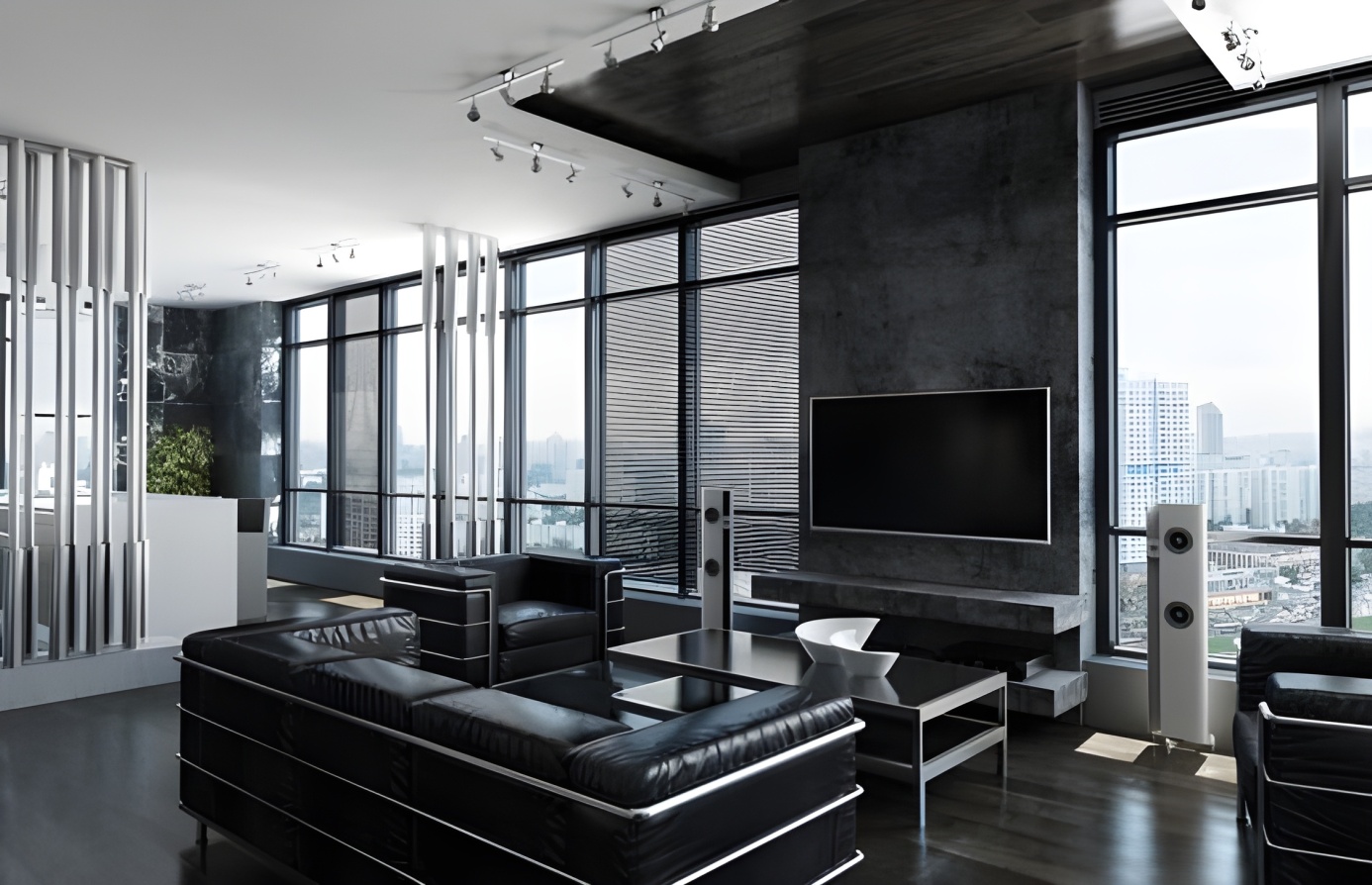
Light now stands as the most essential decorating tool. Circadian lighting systems, which are installed seamlessly in the ceilings, mimic the natural sky conditions during the day by using millions of color temperatures. Invisible linear fixtures illuminate the walls with gradient colors that change from warm amber evenings to fresh arctic mornings. Motorized sheer curtains, which are tinted with photochromic threads, change their opacity according to the intensity of the sunlight while giving the same view. The outcome is the creation of those rooms which look bigger and more peaceful as light, being the main element, is used for decoration.
Sensory Layering
Sounds and scents are not considered as mere afterthoughts anymore but are rather integrated into the design elements. Sound-absorbing panels, which visually function as abstract wall art, come with directional speakers that send music only to certain seats. Artistic diffusers distribute seasonally changing scents through almost invisible holes in stone or wood surfaces. Haptic technology built into sofa frames provides slight vibrations that are in tune with the movie scenes or the music bass lines. Such multi-layered experiences bring the feeling of life into the rooms without the presence of any kind of visible mess.
Beautiful homes of tomorrow are this considerate union of tech and style. When an innovation reveals itself by means of craft and simplicity it changes the living spaces to the higher level without breaking the harmony of the spaces. The best cases, in fact, show that modern performance and classic style are mutually reinforcing, thus resulting in the spaces that can change with the users and at the same time appeal to their sense of beauty. Such a home’s approach will continue to serve as lovely and warmly friendly places for a long time to come while seeming almost magically capable.