

By: Ranim Elgabakhngi
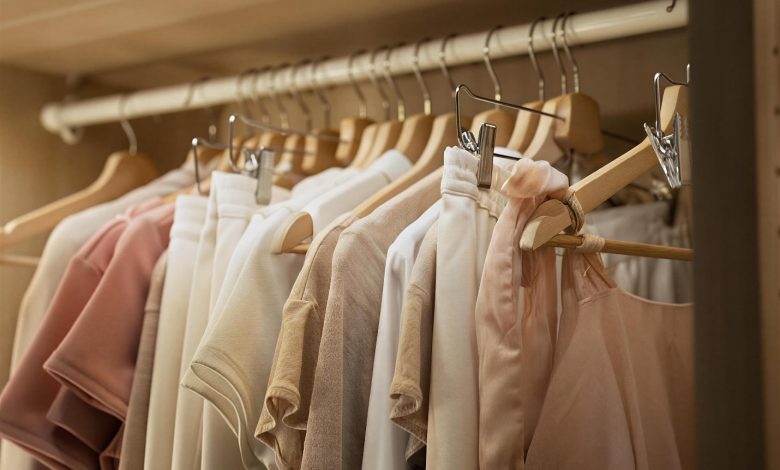
People’s clothes are usually meant to protect them from cold, but these are also the type of clothes which silently speak to others. Without uttering a word, an individual can show his/her character through the texture or the size of the clothes that he/she wears.
Fashion statements appear when many people have the same idea and are led or influenced by their emotions or their situations. Therefore, a fashion that is being adopted very quickly announces the direction of the next trend. Fashion styles that are embraced by many people express the different facets of our world; they denote power, rebellion, and the language of the streets which are all connected as such and visualized in the everyday context.
Cultural Signals
Outfits are capable of silently proclaiming the members of one’s group. Rapid changes in fashion trends generally indicate common values or scenes. People dressing similarly share a non-verbal bond, thus distinguishing themselves without words. To some extent, people’s clothing reveals their enthusiasm for a band, their backing of an idea, or their lifestyle. In fact, clothing is like a chart that shows where a person is located in the crowd.
Status Expressions
It has always been said that the clothes that people wear tell of their status and their wants. For instance, flashy outfits and luxury brands can make known a person’s wealth, while neat, simple pieces or retro styles can be attractive to the discerning or indifferent ones. Introducing a new thing to friends and getting a nod for it can be good for a limited time. In this case, the person is regarded as very trendy. However, the opposite scenario may label one as outdated or oblivious.
Rebellion Markers
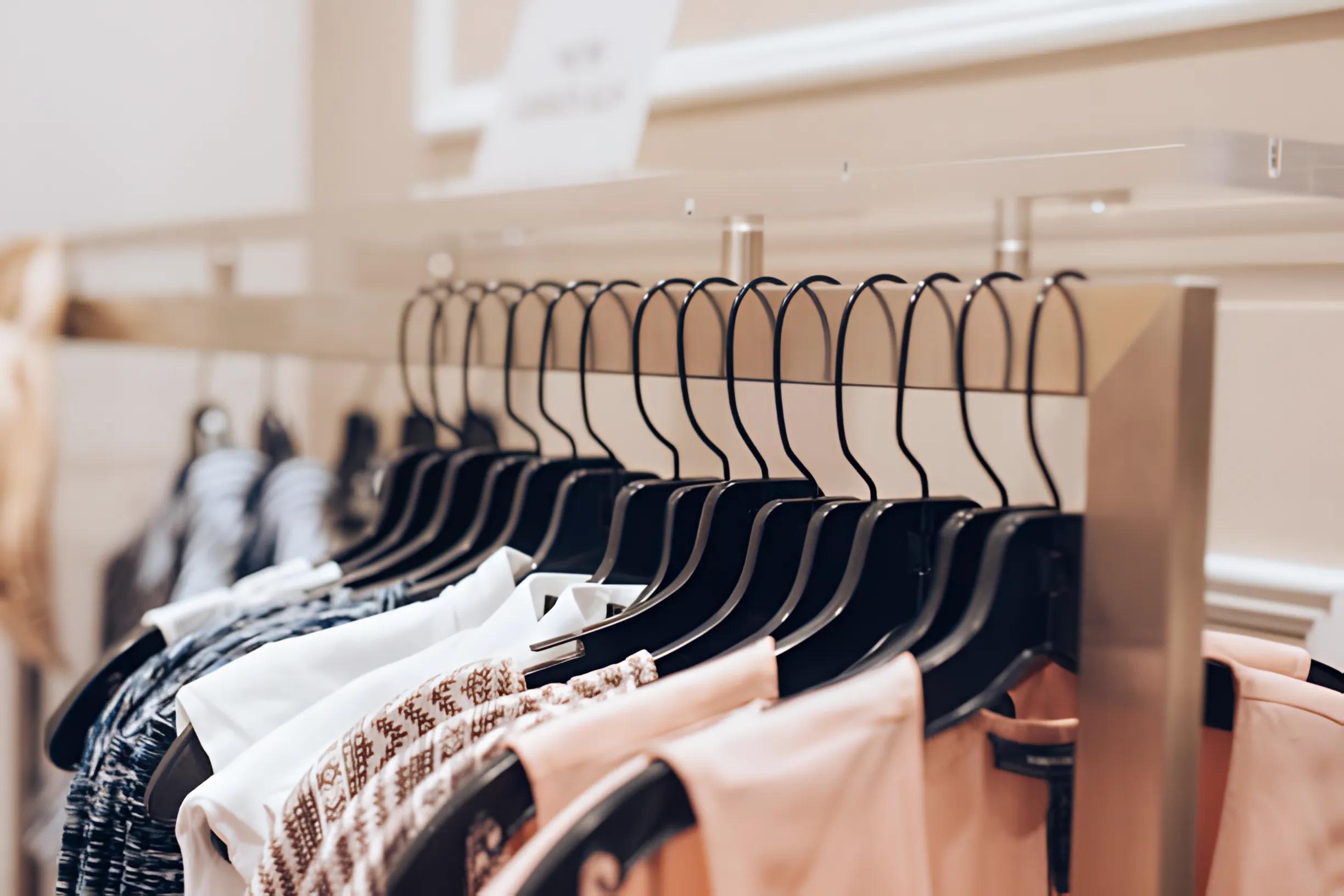
On a sudden note, certain styles begin by abandoning the clothing rules that people considered to be unchanging. Colors of high intensity appear together with unusual forms or ways of wearing the clothes which allude to the old concepts of decorum. Putting on garments starts turning into an unspoken statement of power. The initial act of fashion rebellion gradually gets incorporated into the daily outfits, the severeness of it disappearing but, at the same time, the invitation to the others to come along without any doubt being extended.
Identity Explorations
Apparel nowadays mix things up from different eras, infiltrating different women’s styles, different men’s cuts – offering new ways of expression. By taking materials from several worlds simultaneously, dressing becomes a fun game instead of a set of rules. The identity becomes untraceable when the lines between what used to be called masculine or feminine, old or new are blurred. Individuals have contradictory elements within them; garments can reflect that bewilderment rather than concealing it. Wearing layers is reasonable when one’s existence is in a state of constant change.
Our clothing changes as the weather does, influenced by unseen connections between us. Garments express a silent desire: to be significant, to belong, to communicate without words. Observe the clothing that goes up and the one that goes down – every garment reveals the secret of human desires, fears, and the nature of change.


