Al-Turaif District is located on the western bank of Wadi Hanifah, in the heart of Historical Diriyah — one of the most important heritage sites in the Kingdom of Saudi Arabia.
The district emerged as the seat of power around 1180 AH / 1766 CE, in the mid-18th century, when Imam Muhammad bin Saud chose it as the capital and administrative center of the First Saudi State.
The name “Al-Turaif” is said to be derived from its geographic position, as it lies on the edge or western side of the elevated area overlooking the valley — reflecting its unique topographical character.
Historical Significance
Al-Turaif District is considered the beating heart of the history of the First Saudi State, serving as the center of governance and the residence of the ruling family of that era.
The district housed royal palaces, mosques, and urban landmarks that formed the nucleus of the state and laid the foundation for its political and cultural emergence.
In 2010, Al-Turaif was inscribed on the UNESCO World Heritage List in recognition of its historical and architectural value — as a testimony to traditional Najdi architecture and as a key site in the formation of the First Saudi State.
Architecture, Urban Heritage
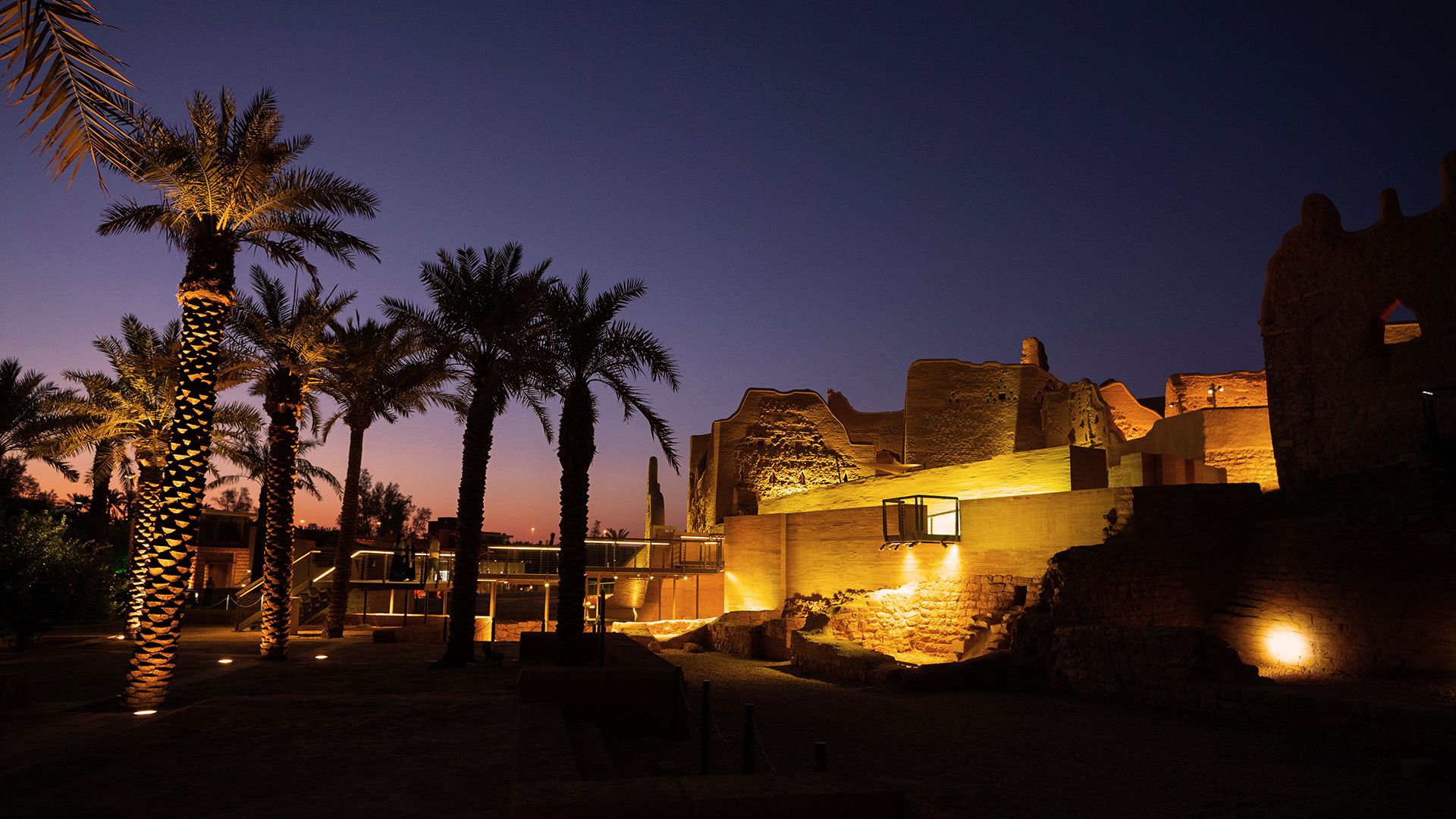
The district is distinguished by traditional Najdi architecture, which relies on mudbrick, clay, and local materials, designed to harmonize with the region’s desert climate.
Among its most prominent landmarks are:
- Salwa Palace, one of the main royal residences at the time,
- Imam Muhammad bin Saud Mosque,
- and several towers and defensive walls that once surrounded and protected the district.
Al-Turaif stands as a model of the flourishing Najdi civilization, and recent restoration and revitalization efforts have focused on preserving its authentic features — including narrow alleyways, inner courtyards, towers, and mosques — giving visitors a vivid impression of life in that historical period.
Current Development, Visitor Experience
Al-Turaif is currently undergoing a comprehensive development program as part of the Diriyah Gate Development Project, supervised by the Royal Commission for Riyadh City in collaboration with the Diriyah Gate Development Authority (DGDA).
The program aims also to transform the district into an open cultural destination that includes specialized museums, visitor facilities, pedestrian bridges, and a heritage market named “Al-Turaif Souq.”

Today, visitors can explore the district’s historical landmarks, enjoy interactive exhibits, visit museums, attend cultural events, and purchase local handicrafts.
According to Diriyah’s official website, the district is open to visitors daily from 10 AM until midnight, though visiting hours may vary by season.
Related Topics :
Boulevard World Brings Chinese Heritage to Saudi Arabia
Riyadh Season 2025: Kuwait Zone Displays Authentic Heritage at BLVD World
‘Al-Masqi Heritage Village’ Launches Activities for Aseer Summer Season 2025
Tar Festival in Riyadh: A Showcase of Saudi Musical Heritage