By: Ranim Elgabakhngi
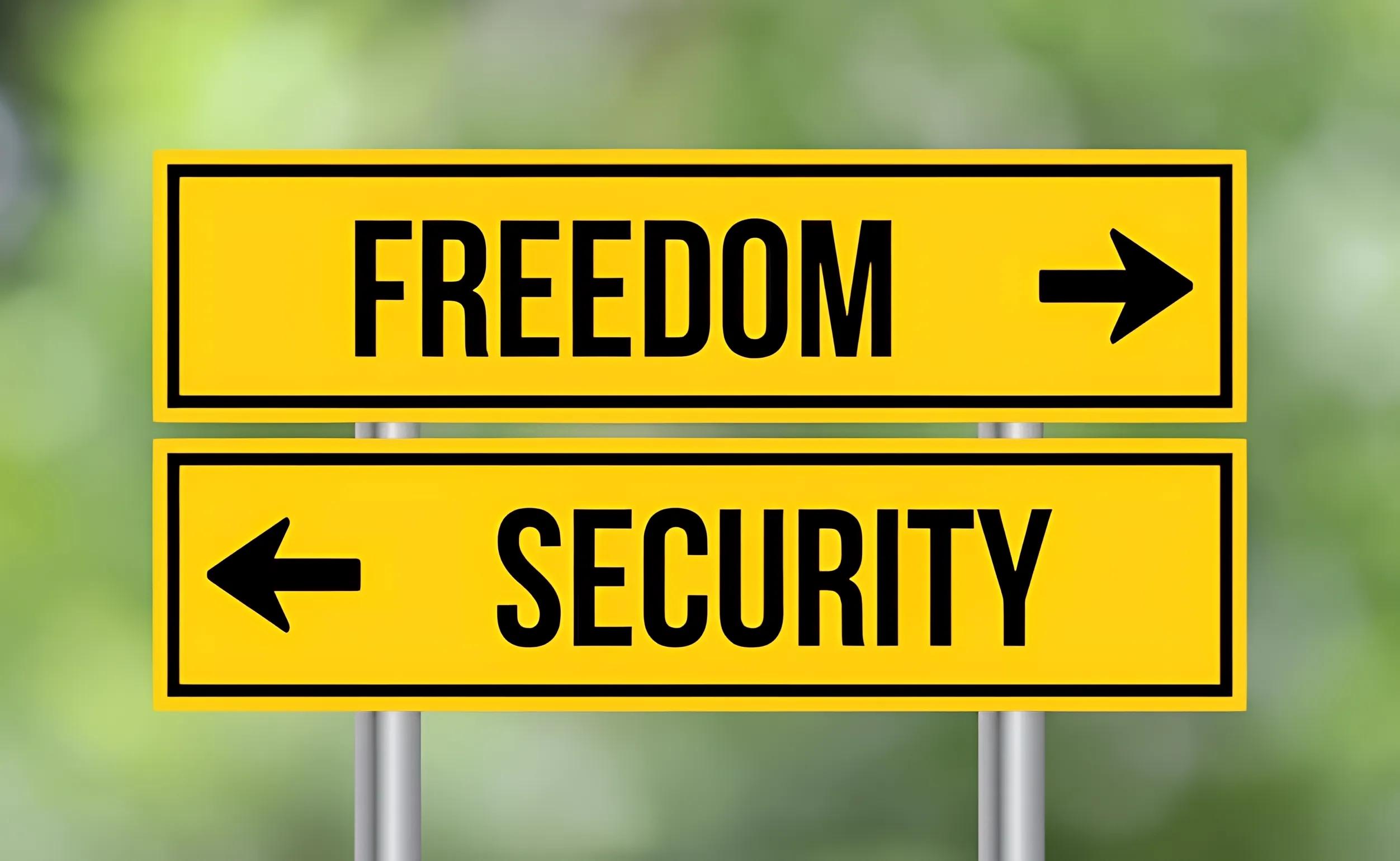
Freedom pulls with great force when safety holds tight. In fact, protection is a hug while the freedom is a screaming madman outside. People’s rights start to get redefined, cultural norms are changed, life is made terribly uncertain. Over protection suffocates your independence and unlimited freedom without any rules leads to disorder. Human beings require both freedom and security but never at the same time.
The Comfort of Safety
Anxiety lessens especially if people have well-defined boundaries hardly anyone even gets irritated if the sense of being protected is very strong. Denominators of order are undoubtedly seen in stop signs, laws, and rules, i.e., the methods different societies use to keep the menace at a minimum. It will be more convenient for people living very close to each other if they can rely on these systems to the degree that they can even afford to be a bit careless. It is a natural thing for one’s days to be more predictable after overcoming the threat situation. Usually, at times of safety the collective satisfaction comes first even before the feelings are taken into consideration.
The Thrill of Freedom
Fear diminishes as openness increases. Where risks are allowed, courageous speech can have its space. A life less ordinary is formed by moving without limits. A person can only wonder aloud about those in charge if freedom is close. Once freedom disappears, ideas become old-fashioned and people stop taking risks. There is a view that the mainline of growth is that one is free to make mistakes from time to time. The amount of walking in the woods is more than the amount of walking on the street. The risk of others who do not understand may be necessary – but still it counts.
The Cost of Overprotection
A little caution that changes to excessive control can lead to gradual loss of freedom, almost imperceptibly. Being under scrutiny more frequently, people start limiting themselves significantly without realizing it, to the extent that the very concept of difference disappears and becomes mere sameness. Giving up one’s own space for safety is not always a formula for happiness – quite the opposite, anxiety remains even though the situation looks more and more regulated. Over time, the protected ones tend to become so dependent on others for evaluating every danger that they eventually lose their own voice.
The Danger of Unrestraint
Freedom without limits always carries a risk. If there are no rules agreed upon by anyone, then reckless behaviors will increase, resulting in harm to those who are unable to defend themselves and at the same time the communities will get weaker. When no one is willing to change their attitude, the struggle will only get worse; besides, nature will suffer from the inexhaustible greed of man. In fact, an excessive emphasis on one’s rights can lead to the breaking up of a community, that being crushed with conflicting desires will hardly find compassion.
Security is at odds with freedom of choice. People, one after another, are confronted with decisions as to what risks they are willing to accept. When control is handed over excessively, fear increases. If you hold on too tightly, anger will result. Only by taking cautious steps in both directions at the same time can progress be made. What keeps a community intact is not just the regulations but the collective endurance over the time.