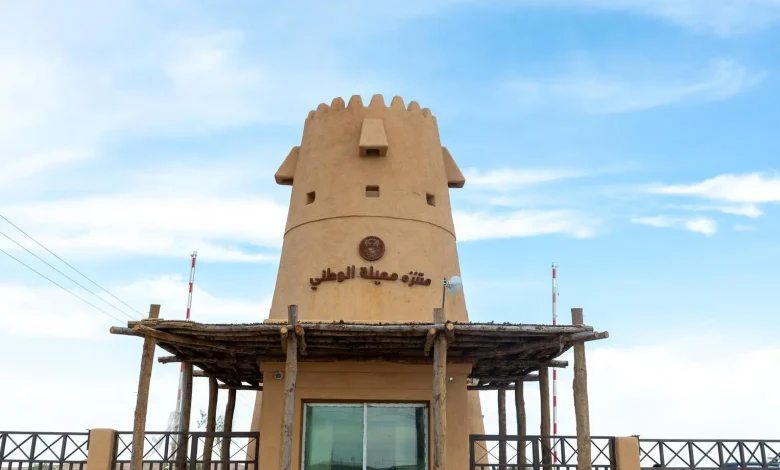
Ma’ila National Park, located in the Northern Borders Region, is currently undergoing major development, positioning itself as a leading natural destination. Covering more than 25 million square meters, the park is divided into three sections: Ma’ila 1 (over 14 million sqm), Ma’ila 2 (around 6 million sqm), and Ma’ila 3 (more than 5 million sqm).
The project serves as a model for sustainable environmental development under the supervision of the National Center for Vegetation Cover Development and Combating Desertification (NCVC). In recent years, extensive work has been carried out to restore ecosystems and expand green coverage across the park.
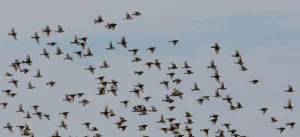
Infrastructure improvements are also underway to enhance the visitor experience. These include the construction of service buildings, water networks, over 50 seating areas, and more than five restroom facilities.
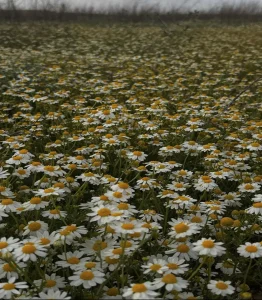
Environmental restoration remains a central priority. Efforts have focused on seed dispersal, cultivation of various plant species, and the revival of native vegetation. As a result, the park now supports a diverse range of plants such as sidr, acacia, ghada, didhan, chrysanthemum, and several pasture species.
To preserve ecological balance, a regulated grazing system has been introduced, allowing controlled livestock access to promote soil health and encourage plant regeneration.
Ma’ila National Park is also being developed as an eco-investment destination, with opportunities available across its sites and ongoing processes to finalize development and operational agreements. These initiatives aim to improve services, attract tourism, and ensure long-term economic sustainability.
With preparations continuing, the park is expected to soon welcome visitors and become a prominent environmental and tourism landmark in the Northern Borders Region.
Related Topics:
Farasan Maritime Museum Celebrates 20 Years of Preserving Red Sea Heritage
Al-Sadwi Park Thrives as Hafr Al-Batin’s Premier Natural Escape
“Green Hour”: Al-Baha Supports Saudi Green Initiative
Hail Debuts Globally as Saudi Cities Surge in Smart City Index 2026