By: Ranim Elgabakhngi
It’s just an ordinary thing really – getting strapped in, putting on protective gear, reading the boards, setting alarms. Each step seems like you are stopping the outburst of disorder. Trust becomes silently a thing you get by doing one habit after another. But control? That might be something that is just dreamed up. The practice of safety rituals gives more comfort than it actually helps to stay safe. People and their ways don’t always get along with the ways of reality.
The Comfort of Ritual
Following the safety measures you set for yourself provides a sense of direction when things appear to be confused. It is almost like having a grip on the situation, changing the fear into something tangible that you do. Securing the doors at night or looking left and right on the streets gives a short feeling that the threat is kept at a minimum. These little rituals satisfy a longing to be responsible for one’s actions, particularly when real threats are beyond your control.
The Gap Between Rule and Reality
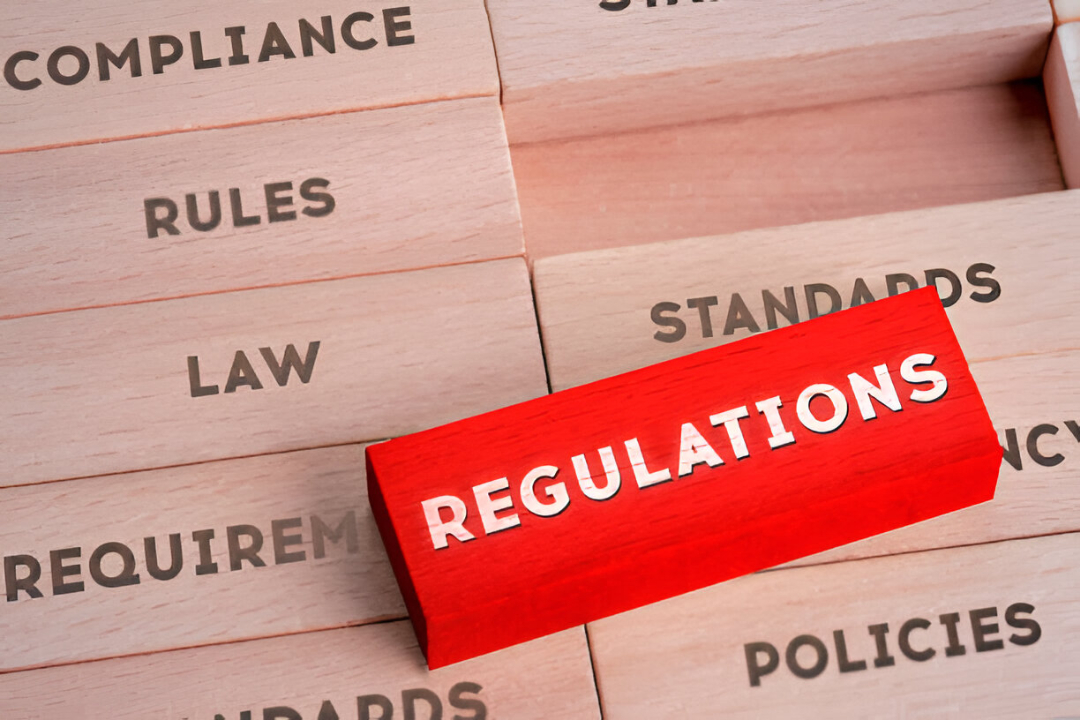
Most safety measures are designed to tackle one specific hazard only. Wearing a helmet protects when something drops from a height but it won’t save you if you suffer from heat exhaustion or if a machine malfunctions. Driving slowly may prevent certain kinds of crashes but equipment failure or a surprise from a wild animal are still possible. Compliance with regulations looks like the way to go as you can see rules displayed and people are vigilant for violations, however, a lot of dangers remain invisible just because there is no sign anywhere concerning them.
The Transfer of Responsibility
Compliance changes the culture in a very subtle way. Posters, mandatory training, even equipment with a safety brand – these all distract from independent thinking. Rather than being vigilant, individuals rely on the established system. People get used to following the rules instead of paying attention to the surroundings. Awareness diminishes as people give their confidence to methods instead of their own senses.
The Persistence of Belief
However, even if one perfectly follows the guidelines, trust in those rules hardly ever disappears completely when accidents happen. The survivors and those who watch from a distance usually are convinced that some detail was missed or that a stricter supervision would have prevented the accident. This way of thinking keeps the notion of safety just a matter of more careful effort alive, thus avoiding the unpleasant truth that some risks are inherently wild and can never be controlled by any instruction. Nevertheless, faith in order remains.
Security isn’t just a matter of ticking the boxes of procedures. One’s vigilance without any external stimulus is equally as important as compliance with the instructions. Regulations give us the impression that they are the key to the world, but the truth is the real safety derives from our understanding where their limits are. It is comfortable to think that we have complete control over the situation but in fact, the more we realize how little that control is, the safer life becomes.
Related Topics:
Interpersonal Relationships: Personal Space and Expectations