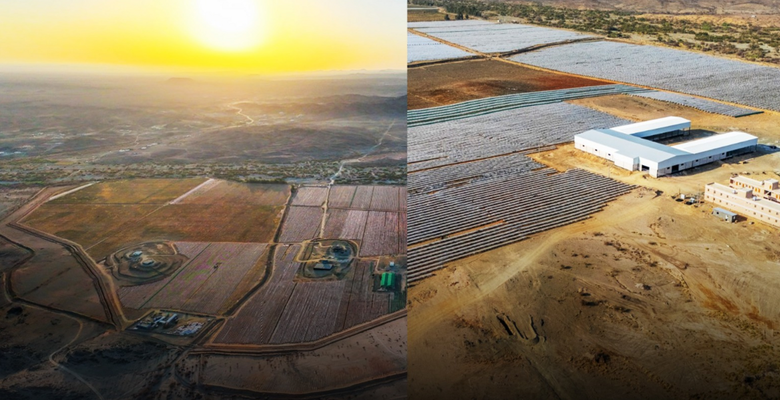
Al-Baha, in southwestern Saudi Arabia, has unveiled details of the Kingdom’s first Coffee City project, which covers a total area of 1,662,000 square meters. The project aims to support the value chain of Saudi coffee, enhance its production, and strengthen its competitiveness.
According to Mohammed Houtah, CEO of Coffee City in the Al-Baha region, more than 527,000 coffee seedlings have already been planted in the city. Speaking to Al Arabiya.net, he explained that the city aims to produce approximately 2,000 tons of Saudi coffee annually once all phases of the project are completed. The project also plans to expand the cultivation of hundreds of thousands of additional seedlings, boosting local supply and creating broader opportunities for future exports.

Technological, Research Hub
Engineer Mohammed Houtah, CEO of Saudi Coffee City, stated that the city serves as a technological and research umbrella for the coffee sector. It now produces its own coffee seedlings through specialized nurseries within the city, following quality standards that ensure suitability for Al-Baha’s local environment, without relying on external sources for seedlings.
He added that the city includes a dedicated agricultural research and development center that studies the best farming practices suited to Al-Baha’s environment, tests modern irrigation technologies, improves fertilization programs, examines the impact of climatic factors on coffee production, develops sustainable solutions for pest and disease control, and supports innovation and knowledge transfer to farmers.
Regarding sustainability, Houtah emphasized that the city applies the concept of precision agriculture through drip irrigation systems, automation, and smart controls. These systems use soil moisture and climate data to determine the actual water needs of plants, improving resource efficiency and reducing waste.
Meeting Local Demand
Houtah explained that the city is still in the agricultural development stage and has not yet begun exporting. He said:
“Our vision is to focus first on meeting growing local demand, then expand into Gulf and international markets, strengthening the position of Saudi coffee as a high-quality product capable of competing globally.”

Employment Opportunities
According to Houtah, Saudi Coffee City currently provides around 100 direct jobs for farmers, technicians, and supervisors, in addition to indirect employment opportunities in logistics, operations, and marketing. He expects job opportunities to increase as the Coffee City project expands.
450 Coffee Farms
Coffee City is the first agricultural city established in the Ma’shouqah Center in the Al-Baha region, an area renowned for producing some of the finest Saudi coffee. The region contains more than 450 coffee farms with over 115,000 coffee trees, producing high-quality varieties.
The coffee farms are located between the mountains of Shada Al-A‘la (Upper Shada) and Shada Al-Asfal (Lower Shada). The area is distinguished by fertile soil and abundant water resources, making it an ideal environment for coffee cultivation and production development. The farms are situated within a mountainous chain surrounded by lowlands and valleys.
Rising Demand for Al-Baha Coffee
Discussing the Saudi coffee sector, Houtah noted that demand for coffee produced in Al-Baha has been growing steadily. It is no longer limited to a specific city or region but has spread across various parts of the Kingdom.
Currently, Al-Baha produces more than 36 tons of pure coffee annually, which is marketed primarily within Saudi Arabia due to increasing demand for local products. Houtah noted that coffee industry expansion projects are ongoing and that Coffee City will significantly increase production capacity in the coming years.
Four Key Challenges
Saudi Arabia aims to strengthen its coffee industry, support local coffee production, and elevate it to international standards. However, the sector faces several challenges. Houtah summarized them as four main issues:
- Efficient management of water resources.
- Securing high-quality seedlings with standardized specifications and consistent productivity.
- Transferring modern agricultural technologies.
- Training and developing specialized national talent.

At the same time, Saudi Arabia ranks among the top 10 coffee-consuming countries in the world, consuming more than 80,000 tons of coffee annually. The Kingdom imports between 70,000 and 90,000 tons of coffee each year, and its citizens spend more than SAR 1 billion annually on coffee preparation. According to the Saudi Ministry of Environment, Water and Agriculture, Saudi coffee has been ranked first globally in quality.
Related Topics:
Saudi Coffee Company Unveils “Sip of Excellence” Competition
Journey through Ethiopian Culture: ‘Global Harmony 2’ Displays Coffee, Masenqo
Jeddah Beaches Prepared for Summer with Comprehensive Safety, Operational Plan
Duba Waterfront Attracts Visitors During Mid-Year School Break