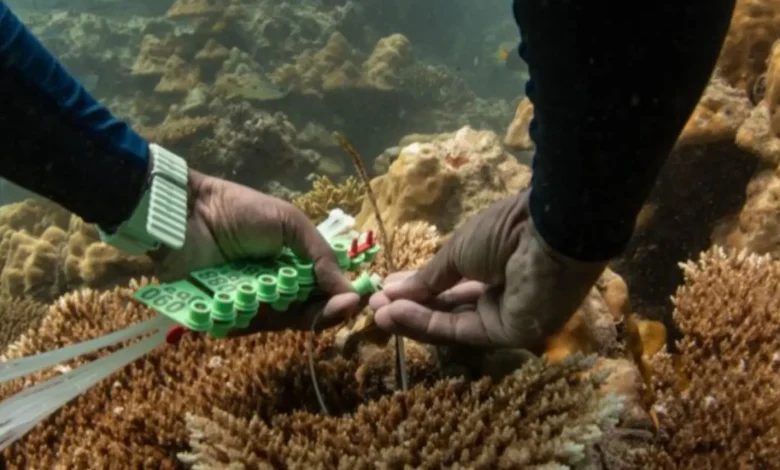
Coral reefs have become an important resource for modern medicine through a process known as bioprospecting, which involves identifying and studying chemical compounds produced by marine life.

Research shows that organisms like sponges and brittle corals produce specialized compounds used for defense and communication. These substances hold strong potential for medical use, with studies exploring their anti-cancer, anti-inflammatory, antibacterial, and antiviral effects, as well as their ability to provide powerful pain relief.

The development of these treatments begins with the careful collection of marine samples, followed by advanced techniques to isolate active compounds. These substances are then subjected to thorough laboratory and clinical testing to ensure they are both safe and effective. In addition, calcium carbonate derived from coral skeletons is already widely used in medicine, particularly in bone graft procedures.

Related Topics:
Jeddah’s Coral Reefs Shine at Biennale Environmental Dialogue
‘Sunken Treasures’ Exhibition Showcases Maritime Heritage at Red Sea Museum
Jazan: Model for Sustainable Tourism under Vision 2030
Diriyah Contemporary Art Biennale 2026 to Open Jan. 30, with Expanded Curatorial Team